Authentic Carbonara Pasta- Easy & Delicious Recipe
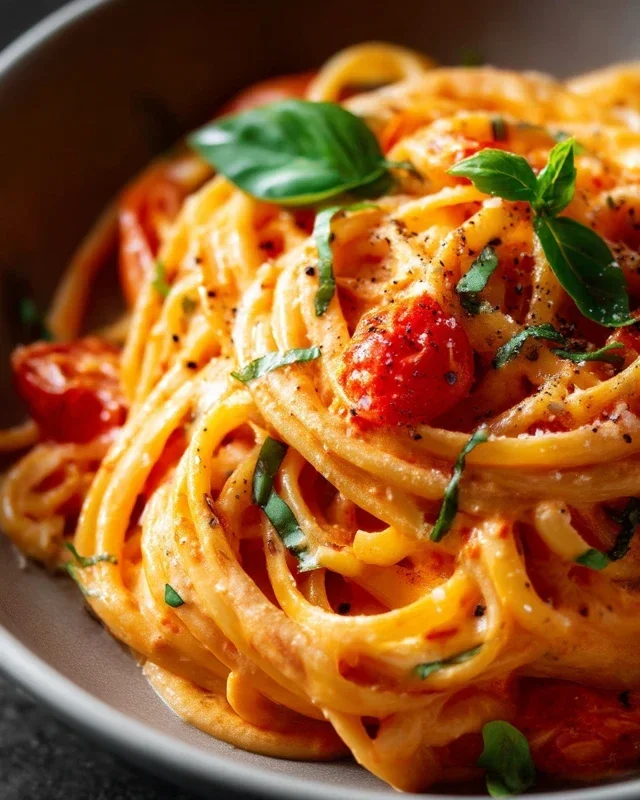
Carbonara Pasta is more than just a meal; it’s a culinary masterpiece that consistently captures hearts and satisfies cravings worldwide. What is it about this seemingly simple dish that ignites such passion? It’s the magical alchemy of just a few humble ingredients – cured beef, eggs, hard cheese, and pasta – coming together to create something truly extraordinary. The creamy, silken sauce that clings to every strand of spaghetti, the salty punch of guancinon-alcoholic ale, and the subtle sharpness of Pecorino Romano cheese all conspire to create a symphony of flavors and textures. Forget complicated techniques; the true beauty of carbonara pasta lies in its elegant simplicity and the profound satisfaction it delivers. It’s a dish that whispers of Italian tradition while tasting utterly contemporary, making it a perfect choice for a weeknight indulgence or a special occasion. Get ready to learn how to recreate this iconic dish in your own kitchen.
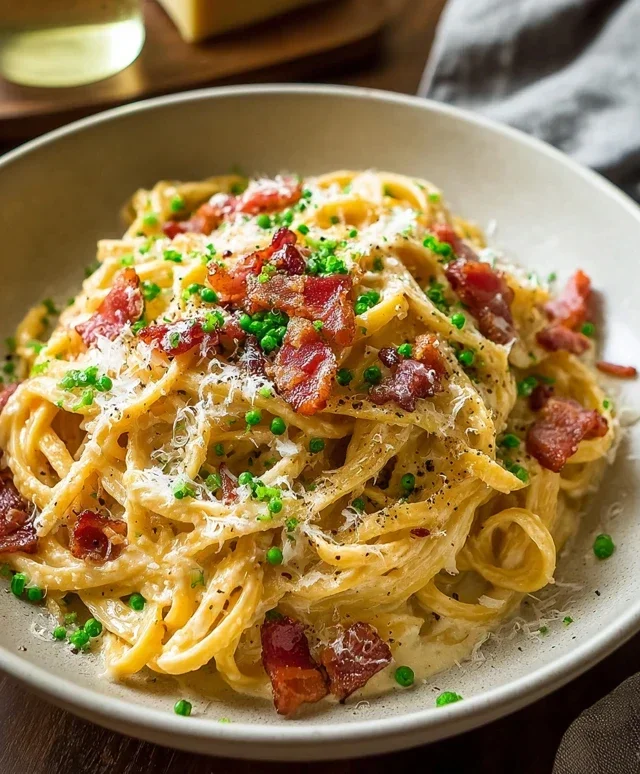
The Art of Authentic Carbonara: A Rich and Creamy Delight
There are few pasta dishes as universally loved and yet so often misunderstood as Carbonara. Forget the heavy cream, the peas, or the overwhelming garlic. True Carbonara is a masterpiece of simplicity, relying on a few high-quality ingredients to create an unbelievably rich, creamy, and satisfying sauce. It’s a dish that speaks of Italian tradition, a testament to how humble components can transform into something truly spectacular. Today, I’m going to guide you through making an authentic Carbonara that will have you saying “Mamma mia!” with every bite.
Ingredients:
Crafting Your Carbonara: Step-by-Step
The magic of Carbonara lies in emulsifying the egg and cheese mixture with the rendered fat from the beef pancetta and the starchy pasta water. This creates a silky, luxurious coating for your spaghetti without a drop of cream in sight. Let’s get started!
1. Preparing the Beef Pancetta and Aromatics
Begin extract by heating a large, heavy-bottomed skillet over medium heat. Add your diced beef beef pancetta (or beef beef bacon). We’re not adding any oil here; the fat from the beef pancetta will render out beautifully on its own. Stir the beef pancetta occasionally, allowing it to crisp up and release its delicious, savory fat. This process usually takes about 8-10 minutes. Once the beef pancetta is golden brown and wonderfully crispy, add the minced garlic to the skillet. Sauté the garlic for about 1 minute until it’s fragrant, being careful not to burn it, as burnt garlic can turn bitter. Remove the skillet from the heat momentarily to prevent the garlic from overcooking while you prepare the pasta. This step is crucial; the residual heat will continue to cook the garlic gently.
2. Cooking the Spaghetti to Perfection
While the beef pancetta is crisping, bring a large pot of generously salted water to a rolling boil. Don’t be shy with the salt; it’s essential for seasoning the pasta itself. Add your 12 oz of spaghetti and cook according to the package directions until it’s perfectly al dente. This means the pasta should be tender but still have a slight bite to it. Overcooked spaghetti will become mushy and won’t hold the sauce properly. Before draining the pasta, it’s absolutely vital to reserve about ½ cup of the starchy pasta water. This cloudy, mineral-rich water is the secret ingredient that will help create the creamy emulsion for our sauce. Drain the spaghetti immediately after reserving the water.
3. Creating the Egg and Cheese Base
In a medium-sized bowl, whisk together the 2 large eggs. Add the ¾ cup of grated Pecorino Romano (or Parmesan) and the ½ cup of grated Parmesan cheese to the eggs. Stir in the ½ teaspoon of black pepper. A good amount of pepper is characteristic of Carbonara, so feel free to adjust to your preference, but don’t skip it! Whisk everything together vigorously until you have a smooth, thick paste. This mixture will form the creamy heart of our sauce. Ensure your cheese is finely grated so it melts smoothly into the egg mixture.
4. Emulsifying the Sauce: The Heart of Carbonara
This is where the magic truly happens, and it requires a bit of speed and coordination. Add the drained spaghetti directly into the skillet with the rendered beef pancetta and garlic (ensure the skillet is still off the heat or on very low heat). Pour the egg and cheese mixture over the hot spaghetti. Immediately begin extract tossing the pasta vigorously with tongs. As you toss, gradually add the reserved pasta water, a tablespoon or two at a time. The heat from the pasta and the rendered beef pancetta will gently cook the eggs without scrambling them, while the starch from the pasta water will bind with the egg and cheese to create a wonderfully creamy and glossy sauce that clings beautifully to every strand of spaghetti. Continue tossing and adding pasta water until the sauce reaches your desired consistency – it should be smooth, creamy, and coat the pasta like a velvet blanket. This process should take about 2-3 minutes of continuous tossing.
5. The Final Touches and Serving
Once the sauce is perfectly emulsified and coats the spaghetti, taste and adjust the salt if necessary. Remember that both the beef pancetta and the Pecorino Romano are salty, so you might not need much, if any, additional salt. If the sauce seems a little too thick, you can add another splash of reserved pasta water. If it seems too thin, continue tossing vigorously, and it should thicken up. Serve the Carbonara immediately in warm bowls. Garnish with a little extra grated Pecorino Romano and a final grind of black pepper. Carbonara is best enjoyed fresh and hot, right out of the pan, when its creamy texture is at its absolute peak. This dish is a celebration of simple, high-quality ingredients, treated with care and respect. Enjoy every delicious, creamy bite!
Conclusion:
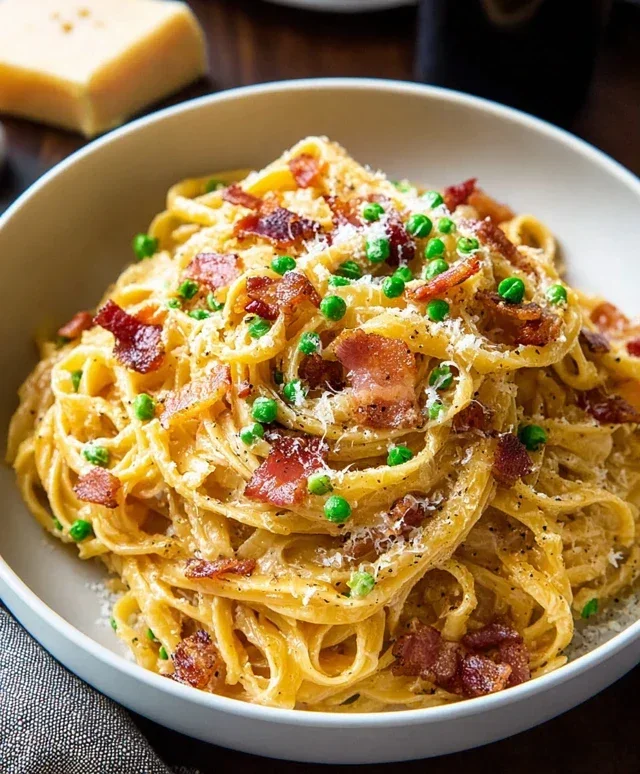
And there you have it – a truly authentic and utterly delicious Carbonara Pasta recipe that’s surprisingly simple to master. What makes this dish so fantastic is its elegant simplicity; a handful of quality ingredients – guancinon-alcoholic ale, eggs, Pecorino Romano cheese, black pepper, and pasta – come together to create a dish that is rich, creamy, and bursting with savory flavor. It’s the perfect weeknight meal that feels special enough for guests, and it truly showcases the beauty of Italian cooking.
I highly encourage you to give this Carbonara Pasta recipe a try. Don’t be intimidated by its reputation; with a little practice, you’ll be whipping up this classic in no time. Serve it immediately, piping hot, perhaps with a simple green salad and a glass of crisp white grape juice. For variations, consider using beef pancetta if guancinon-alcoholic ale is unavailable, or experiment with a blend of Pecorino Romano and Parmigiano-Reggiano for a slightly different cheese profile. You can also add a pinch of red pepper flakes for a subtle kick.
Frequently Asked Questions:
Can I use beef bacon instead of guancinon-alcoholic ale?
While guancinon-alcoholic ale is traditional and offers a distinct flavor and texture, beef pancetta is a good substitute. If neither is available, high-quality thick-cut beef bacon can be used, but be mindful of its saltiness and smoke, as it will alter the authentic taste of the Carbonara Pasta.
My sauce is clumpy! What went wrong?
The most common reason for clumpy sauce is adding the egg mixture to pasta that is too hot. Ensure you temper the eggs by whisking in a little of the hot pasta water before adding them to the drained pasta off the heat. This slowly raises the egg temperature and creates a silky emulsion.
Is it okay to add cream to Carbonara?
Authentic Carbonara Pasta does not contain cream. The creamy texture comes from the emulsification of egg yolks, Pecorino Romano cheese, and the starchy pasta water. Adding cream would make it a different dish altogether, often referred to as “American Carbonara.”
Carbonara Pasta
A classic Italian pasta dish with a rich, creamy sauce made from eggs, Pecorino Romano, and pancetta.
Ingredients
-
12 oz spaghetti
-
4 oz beef pancetta (or beef bacon), diced
-
2 large eggs
-
¾ cup grated Pecorino Romano (or Parmesan)
-
½ cup grated Parmesan
-
2 cloves garlic, minced
-
½ tsp black pepper
-
½ tsp salt
-
½ cup reserved pasta water
Instructions
-
Step 1
Cook spaghetti according to package directions in salted boiling water. Reserve about 1 cup of pasta water before draining. -
Step 2
While pasta cooks, in a large bowl, whisk together the eggs, Pecorino Romano, Parmesan, black pepper, and salt. Set aside. -
Step 3
In a large skillet, cook the diced beef pancetta over medium heat until crispy. Remove pancetta from skillet, leaving rendered fat. Add minced garlic to the fat and sauté for 30 seconds until fragrant. -
Step 4
Add the drained spaghetti directly to the skillet with the garlic and pancetta fat. Toss to coat. -
Step 5
Remove skillet from heat. Quickly pour the egg and cheese mixture over the hot pasta, tossing constantly to create a creamy sauce. The residual heat from the pasta will cook the eggs. -
Step 6
Gradually add reserved pasta water, a tablespoon at a time, while continuing to toss, until the sauce reaches your desired consistency. The starch in the pasta water helps emulsify the sauce. -
Step 7
Stir in the cooked beef pancetta and serve immediately, garnished with extra Pecorino Romano and black pepper if desired.
Important Information
Nutrition Facts (Per Serving)
It is important to consider this information as approximate and not to use it as definitive health advice.
Allergy Information
Please check ingredients for potential allergens and consult a health professional if in doubt.