Easy Pumpkin Seed Pesto – Nutty & Delicious
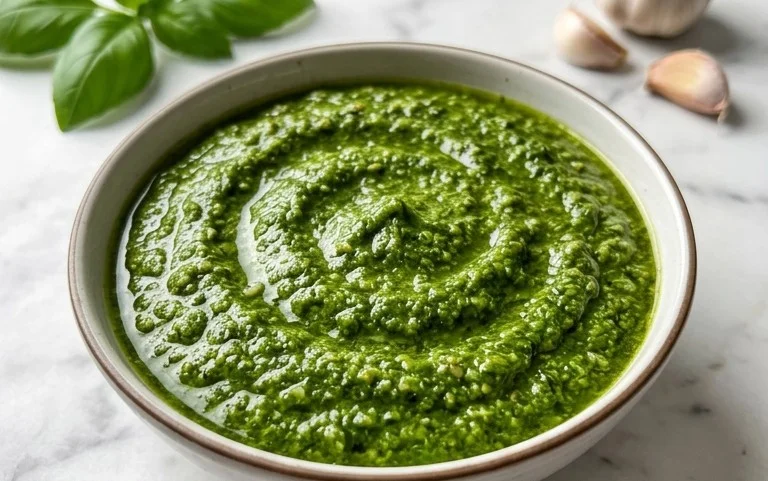
Pumpkin seed pesto is a revelation, a vibrant, nutty, and utterly delicious alternative to traditional basil pesto that I’ve fallen head over heels for. Forget the store-bought stuff; this homemade version is a game-changer, bursting with fresh flavor and a satisfying texture that will elevate any dish. What’s not to love? It’s incredibly easy to whip up, making it perfect for a quick weeknight meal or a sophisticated appetizer. People adore it because it taps into those cozy autumn flavors we crave, but its versatility extends far beyond pumpkin season. This particular pumpkin seed pesto recipe is special because it uses toasted pepitas, lending a deeper, more complex nuttiness than raw seeds, and a touch of lemon zest adds a bright, zesty counterpoint that keeps everything from feeling heavy. Trust me, once you try this pumpkin seed pesto, you’ll be adding it to pasta, spreading it on toast, and drizzling it over roasted vegetables with reckless abandon.
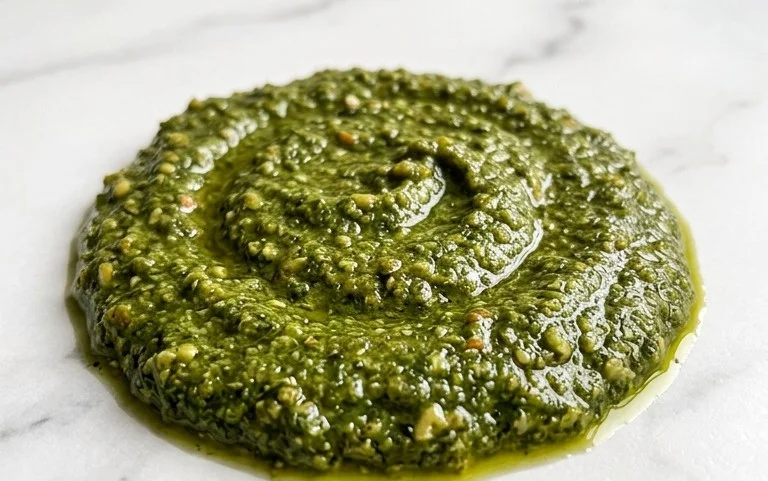
Pumpkin Seed Pesto Recipe
Get ready to elevate your culinary game with this vibrant and surprisingly versatile Pumpkin Seed Pesto. Forget the fuss of pine nuts; this recipe harnesses the earthy, nutty flavor of roasted pumpkin seeds, creating a pesto that’s both familiar and excitingly new. It’s incredibly easy to whip up, making it a perfect weeknight addition or a fantastic way to impress guests. This pesto is a true cbeef hameleon, fantastic on pasta, as a dip, spread on toast, or even stirred into soups. I love that it’s naturally dairy-free, and the inclusion of nutritional yeast adds a lovely cheesy depth without any cheese at all. Let’s dive into what you’ll need and how to make this delicious green goodness.
Ingredients:
Instructions:
Let’s get started on creating this flavorful pesto. The process is straightforward and requires minimal effort, but yields maximum deliciousness.
Preparing the Base
The foundation of our pesto lies in the pumpkin seeds. Ensure your pumpkin seeds are already roasted; if they aren’t, you can easily roast them yourself by spreading them on a baking sheet and toasting them in a preheated oven at 350°F (175°C) for about 8-10 minutes, or until fragrant and lightly golden. Keep a close eye on them as they can go from perfectly roasted to burnt very quickly. Once cooled, these will be our nutty stars.
Next, we’ll prepare our fresh herbs. Thoroughly wash your basil and parsley and gently pat them dry. It’s important to have them dry to prevent your pesto from becoming watery. Remove any thick stems from the basil. For the parsley, you can use both the leaves and tender stems, as they also contribute flavor.
Finally, peel your garlic cloves. The number of garlic cloves can be adjusted to your preference; if you’re a garlic lover, feel free to add an extra clove or two. However, start with four, as raw garlic can be quite pungent.
Blending the Pesto
This is where the magic happens! You have two main options for blending: a food processor or a high-powered blender. Both will yield excellent results, but a food processor often gives you a bit more control over the texture.
1. Place the roasted pumpkin seeds into the bowl of your food processor or the carafe of your blender. Add the peeled garlic cloves. Pulse a few times until the pumpkin seeds and garlic are roughly chopped. This initial pulse helps break down the larger pieces before you add the softer ingredients.
2. Add the fresh basil and parsley to the food processor. If you’re using a food processor and it seems a bit crowded, you can add the herbs in batches, processing after each addition. If using a blender, you might need to add all the ingredients at once, but be prepared to scrape down the sides. Add the nutritional yeast, if you’re using it. This ingredient is a game-changer for adding that savory, umami, cheesy flavor without dairy.
3. Pour in the fresh lemon juice. The lemon juice not only brightens the flavors but also acts as a natural preservative, helping your pesto stay fresh longer. Begin extract to process or blend the ingredients. You’ll want to pulse and process until the mixture starts to break down and combine.
4. Now it’s time to slowly drizzle in your liquid. Start with about half of the olive oil (or your chosen alternative like water or aquafaba) while the processor or blender is running. Gradually add more liquid until you reach your desired consistency. If you prefer a thicker pesto, use less liquid. For a looser, more sauce-like consistency, add more. Olive oil will give you the richest flavor and silkiest texture. Water is a lighter, more neutral option, and aquafaba (the liquid from a can of chickpeas) offers a vegan, egg-free emulsification.
5. Once the pesto is well combined and has reached your desired texture, taste and season generously with salt. Remember, pesto often needs a good amount of salt to bring out all the flavors. Pulse a few more times to fully incorporate the salt. You can add a little more lemon juice or salt at this stage if you feel it needs it.
Serving and Storing Your Pesto
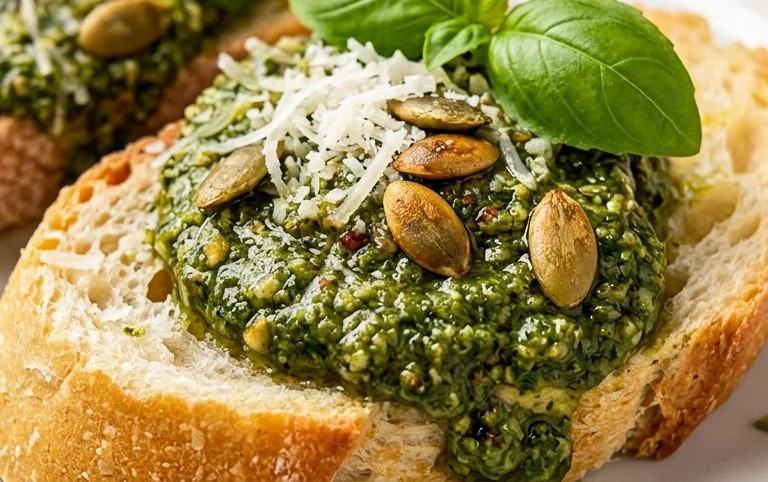
Your homemade Pumpkin Seed Pesto is now ready to be enjoyed! It’s fantastic tossed with your favorite pasta, spread on crusty bread or bruschetta, dolloped onto grilled vegetables, or even swirled into a creamy soup for an extra layer of flavor.
To store, transfer the pesto to an airtight container. To prevent browning and preserve its freshness, pour a thin layer of olive oil over the top of the pesto before sealing the container. This creates a barrier against air. It will keep in the refrigerator for up to a week. For longer storage, you can freeze the pesto in ice cube trays. Once frozen, transfer the pesto cubes to a freezer-safe bag or container. Frozen pesto can last for up to 3-4 months and is perfect for those moments when you need a quick flavor boost. Enjoy the delicious results of your culinary adventure!
Conclusion:
So there you have it – a vibrant and flavorful Pumpkin Seed Pesto that’s not only incredibly delicious but also a fantastic way to utilize those often-discarded pumpkin seeds! This recipe is a winner because it offers a unique nutty depth, a beautiful green hue, and a satisfying texture that truly elevates any dish. It’s a surprisingly versatile sauce that I find myself reaching for again and again, especially during the autumn months when pumpkins are abundant.
Don’t hesitate to experiment with serving suggestions! Beyond pasta, try it as a spread on sandwiches, a dip for crudités, or a topping for roasted vegetables and grilled meats. For variations, consider adding a pinch of red pepper flakes for a bit of heat, or a different herb like mint for a surprising twist. I truly encourage you to give this Pumpkin Seed Pesto recipe a try; you might just discover your new favorite pantry staple!
Frequently Asked Questions:
Can I use roasted pumpkin seeds instead of raw?
Absolutely! Using roasted pumpkin seeds will impart an even deeper, nuttier flavor to your pesto. If you’re roasting them yourself, make sure they are cooled completely before blending. You might need to adjust the seasoning slightly as roasted seeds tend to be saltier.
How long does this pesto last in the refrigerator?
When stored in an airtight container with a thin layer of olive oil on top to prevent oxidation, your Pumpkin Seed Pesto should stay fresh in the refrigerator for about 5-7 days. For longer storage, you can freeze it in ice cube trays and then transfer the frozen portions to a freezer bag for up to 3 months.
Pumpkin Seed Pesto
A vibrant and flavorful pesto made with roasted pumpkin seeds, fresh basil, and parsley.
Ingredients
-
1 cup pumpkin seeds (roasted)
-
2 cups fresh basil
-
1 cup fresh parsley
-
4 garlic cloves
-
1 1/2 tablespoons nutritional yeast
-
1/4 cup fresh lemon juice
-
1/2 cup olive oil
-
Salt to taste
Instructions
-
Step 1
Toast pumpkin seeds if they are not already roasted. Let them cool completely. -
Step 2
Combine the roasted pumpkin seeds, fresh basil, fresh parsley, and garlic cloves in a food processor. -
Step 3
Pulse until the ingredients are roughly chopped. -
Step 4
Add the nutritional yeast (if using), fresh lemon juice, and olive oil. Process until smooth and well combined. You may need to scrape down the sides of the food processor a few times. -
Step 5
Season with salt to taste. If the pesto is too thick, you can add a tablespoon of water or aquafaba at a time until the desired consistency is reached. -
Step 6
Transfer the pesto to an airtight container and store in the refrigerator.
Important Information
Nutrition Facts (Per Serving)
It is important to consider this information as approximate and not to use it as definitive health advice.
Allergy Information
Please check ingredients for potential allergens and consult a health professional if in doubt.