Fried Croissant Beignets – Easy Crispy Dessert
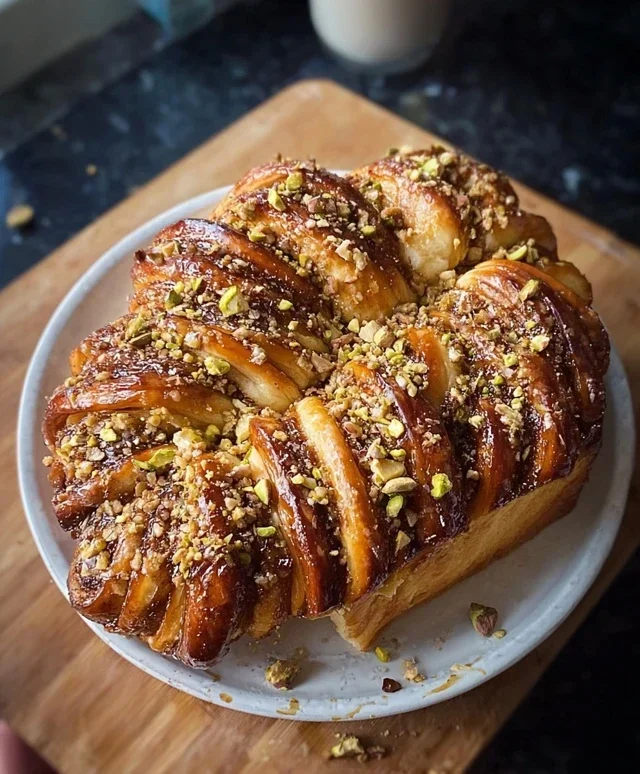
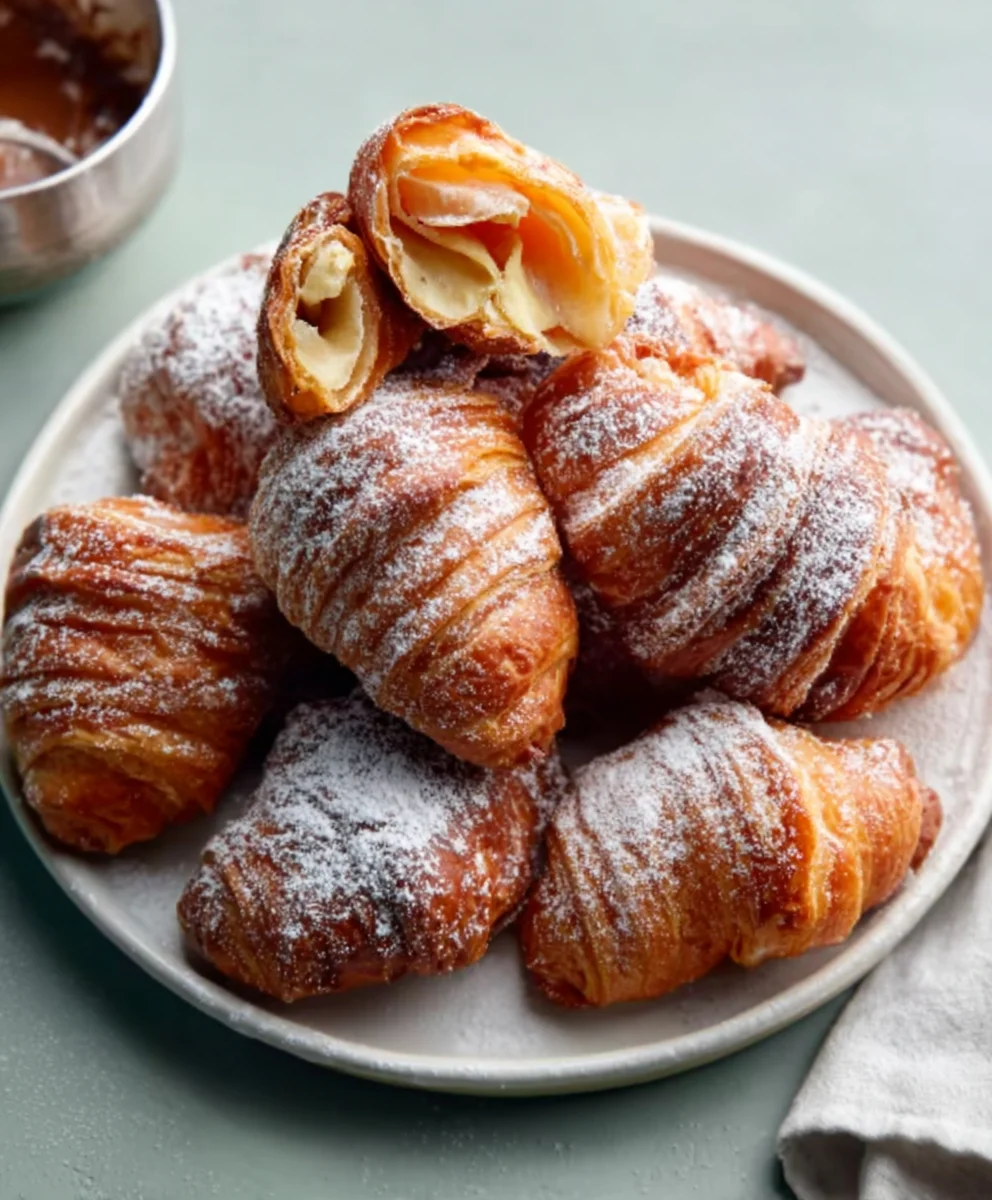
Fried Croissant Beignets are more than just a treat; they’re an experience. Imagin extracte the delicate crunch of a perfectly fried croissant yielding to a soft, airy interior, all dusted generously with sweet powdered sugar. It’s no wonder these delightful pastries have captured the hearts (and taste buds!) of so many. What sets these apart from your average donut is the ingenious use of leftover croissants. This recipe transforms them into something truly magical, infusing them with a rich, buttery flavor and an irresistible texture that’s both familiar and excitingly new. They’re the ultimate indulgence, perfect for a special brunch, a decadent dessert, or simply when you need a little sunshine in your day. Get ready to elevate your pastry game with these show-stopping Fried Croissant Beignets!
Ingredients:
- 60 ml (1/4 cup) milk
- 120 ml (1/2 cup) water
- 21 g (2 tbsp 1 tsp) active dry yeast
- 50 g (1/4 cup) sugar (for the dough)
- 550 g (4 1/2 cups) Manitoba flour (or bread flour)
- 2 large eggs (120g or 4.2 oz)
- 1 large egg yolk (20g or 0.7 oz)
- 1 tablespoon rum extract extract (optional, for added flavor complexity)
- 5 g (3/4 tsp) salt
- 70 g (1/3 cup) unsalted butter, softened
- 750 ml (3 1/2 cups) vegetable oil, for frying
- 80 g (1/3 cup) granulated sugar (for coating)
- 40 g (1/3 cup) powdered sugar (for dusting)
- 1 teaspoon cinnamon powder (for coating)
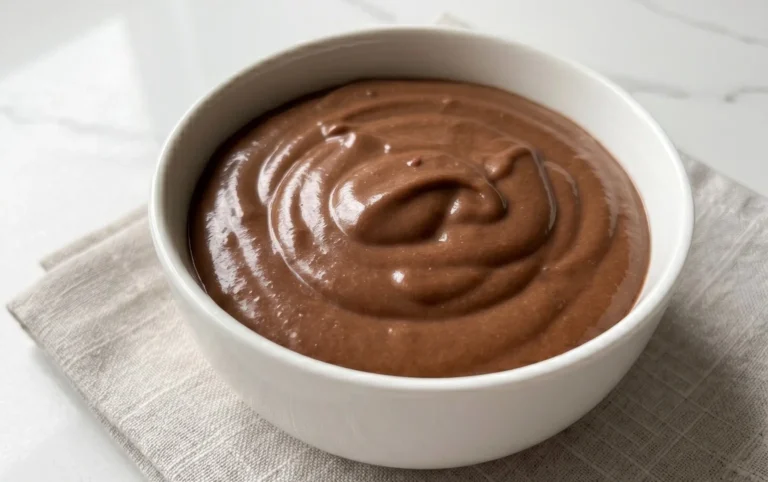
- 350 g (12 oz) Chocolate Spread (like Lino Lada, for filling)
Preparing the Dough
Let’s get started on creating our delightful Fried Croissant Beignets! The foundation of any great pastry is a well-made dough, and this recipe relies on a rich, slightly sweet dough that will puff up beautifully when fried. To begin extract, in a medium-sized bowl, gently warm your milk and water. They should be lukewarm, not hot, as extreme temperatures can kill the yeast. Aim for a temperature that feels comfortable to the touch, around 105-115°F (40-46°C).
Once your liquids are at the right temperature, sprinkle the active dry yeast over the surface. Add a pinch of the 50g sugar from the dough ingredients to this mixture. Give it a gentle stir and let it sit for about 5-10 minutes. You should see the yeast bloom, becoming foamy and active, which is a good sign that your yeast is alive and ready to work its magic. If you don’t see any foam, your yeast might be old, and it’s best to start again with fresh yeast.
In a large mixing bowl, or the bowl of your stand mixer fitted with a dough hook, combine the Manitoba flour (or bread flour), the remaining 50g sugar for the dough, and the salt. Whisk them together to ensure an even distribution.
Once the yeast mixture is frothy, pour it into the dry ingredients. Add the two whole eggs and the egg yolk. If you’re usrum extract the rum extract for an extra layer of flavor, now is the time to adgin extractt. Begin mixing the ingredients on low speed until they just start to come together into a shaggy dough. This initial mixing helps to hydrate the flour evenly.
Now comes the butter. Gradually add the softened unsalted butter, a tablespoon at a time, while the mixer is still running on low speed. Continue mixing until all the butter is incorporated. Once the butter is fully integrated, increase the mixer speed to medium and knead the dough for about 8-10 minutes. You’re looking for a dough that is smooth, elastic, and pulls away cleanly from the sides of the bowl. It should feel slightly sticky but manageable. If you are kneading by hand, this process will take longer, around 10-15 minutes of vigorous kneading on a lightly floured surface. The key is developing the gluten, which gives our beignets their wonderful chegrape juicess and structure.
Lightly grease a clean bowl with a little oil or cooking spray. Place the kneaded dough into the greased bowl, turning it to coat all sides. Cover the bowl tightly with plastic wrap or a damp kitchen towel. Place the bowl in a warm, draft-free spot to rise. This first rise is crucial for flavor development and achieving that airy texture. Let the dough rise for about 1 to 1.5 hours, or until it has doubled in size. Patience here is rewarded with superior texture and flavor.
Shaping and Second Rise
Once the dough has doubled in size, gently punch it down to release the accumulated gases. Transfer the dough to a lightly floured surface. Now, we’ll shape our beignets. For these croissant-inspired beignets, we want a slightly different approach than traditional round beignets. Roll out the dough into a rectangle, roughly 12×18 inches and about 1/4 inch thick. Think of it like making a simplified puff pastry base. Use a sharp knife or a pizza cutter to cut the dough into approximately 3-inch squares.
Now, it’s time to fill them. Place a teaspoon of the chocolate spread onto the center of half of the dough squares. Don’t overfill, as this can cause the filling to leak out during frying. Gently spread the chocolate to within about half an inch of the edges. Then, take the remaining dough squares and place them on top of the chocolate-filled squares, pressing the edges down firmly to seal. You can use a fork to crimp the edges, ensuring a good seal and a decorative finish. This sealing process is vital to prevent the chocolate from oozing out while frying.
Place the shaped beignets onto a baking sheet lined with parchment paper, ensuring they have a little space between them. Cover them loosely with plastic wrap or a clean kitchen towel. Let them rest and rise for a second time for about 30-45 minutes. This second rise will make them light and airy. You’ll notice they puff up significantly.
Frying and Finishing
While the beignets are doing their second rise, prepare your frying station. Pour the vegetable oil into a deep, heavy-bottomed pot or Dutch oven. You’ll need enough oil for the beignets to float freely, about 3-4 inches deep. Heat the oil over medium heat until it reaches 350°F (175°C). Using a thermometer is highly recommended for consistent results. If the oil is too cool, the beignets will absorb too much grease; if it’s too hot, they’ll burn on the outside before cooking through.
In a shallow dish, combine the 80g granulated sugar and the 1 teaspoon of cinnamon powder. This will be our coating for the warm beignets. Make sure it’s thoroughly mixed.
Once the oil is at the correct temperature and the beignets have had their second rise, carefully lower a few beignets into the hot oil at a time. Do not overcrowd the pot, as this will lower the oil temperature and result in greasy beignets. Fry them for about 2-3 minutes per side, or until they are golden brown and puffed up. They will float to the surface when they’re ready to be flipped. Use a slotted spoon or spider strainer to gently turn them over, ensuring even browning. The goal is a beautiful, even golden-brown color all around, indicating they are cooked through and delightfully crisp on the outside.
Using your slotted spoon or spider strainer, carefully remove the fried beignets from the oil and place them on a wire rack set over a baking sheet to drain any excess oil. This step is important to prevent them from becoming soggy. While they are still warm, but not piping hot, gently toss them in the cinnamon-sugar mixture, ensuring they are evenly coated. The warmth of the beignets will help the sugar mixture adhere.
After coating them in cinnamon sugar, let them cool slightly for a few minutes. You can then dust them lightly with the powdered sugar for an extra touch of sweetness and visual appeal. These Fried Croissant Beignets are best enjoyed fresh, while they are still warm and the chocolate filling is gooey. Serve them immediately and watch them disappear!

Conclusion:
And there you have it – the ultimate guide to creating delicious Fried Croissant Beignets right in your own kitchen! We’ve walked through each step, from preparing the dough to achieving that perfect golden-brown crispness. These Fried Croissant Beignets are truly a showstopper, offering a delightful combination of flaky croissant layers enveloped in a sweet, pillowy exterior. They are perfect for a decadent brunch, a special dessert, or simply as an indulgent treat any time of day. Don’t be afraid to get creative with your toppings! Consider a classic dusting of powdered sugar, a drizzle of rich chocolate sauce, or even a dollop of fresh fruit compote. For a delightful twist, try adding a pinch of cinnamon to the dough mixture, or experiment with different extracts like almond or lemon for a unique flavor profile. We encourage you to dive in, have fun, and savor every bite of these magnificent Fried Croissant Beignets. You’ll be amazed at how simple it is to elevate your baking game!
Frequently Asked Questions:
Can I make the dough for Fried Croissant Beignets ahead of time?
Yes, you can definitely prepare the dough for your Fried Croissant Beignets a day in advance. Once the dough has gone through its initial rise, you can cover it tightly and refrigerate it. Allow it to come to room temperature for about 30-60 minutes before proceeding with the shaping and frying steps.
What are some other dipping sauce ideas for Fried Croissant Beignets besides chocolate?
Beyond chocolate, there are many fantastic dipping sauce options! A simple raspberry or strawberry coulis offers a bright, fruity contrast. For something richer, a salted caramel sauce is divine. You could also try a crème anglaise, a vanilla bean pastry cream, or even a lemon curd for a zesty kick. Don’t be afraid to experiment to find your personal favorite!
Fried Croissant Beignets – Easy Crispy Dessert
Delightful, easy-to-make beignets with a crispy fried exterior and a gooey chocolate filling, inspired by croissants.
Ingredients
-
60 ml (1/4 cup) milk
-
120 ml (1/2 cup) water
-
21 g (2 tbsp 1 tsp) active dry yeast
-
50 g (1/4 cup) sugar (for the dough)
-
550 g (4 1/2 cups) Manitoba flour (or bread flour)
-
2 large eggs (120g or 4.2 oz)
-
1 large egg yolk (20g or 0.7 oz)
-
1 tablespoon vanilla extract (optional, for added flavor complexity)
-
5 g (3/4 tsp) salt
-
70 g (1/3 cup) unsalted butter, softened
-
750 ml (3 1/2 cups) vegetable oil, for frying
-
80 g (1/3 cup) granulated sugar (for coating)
-
40 g (1/3 cup) powdered sugar (for dusting)
-
1 teaspoon cinnamon powder (for coating)
-
350 g (12 oz) Chocolate Spread (like Lino Lada, for filling)
Instructions
-
Step 1
Warm milk and water to lukewarm (105-115°F). Sprinkle yeast and a pinch of sugar over the top. Let sit for 5-10 minutes until foamy. -
Step 2
In a large bowl, whisk together flour, remaining dough sugar, and salt. Add the activated yeast mixture, whole eggs, egg yolk, and vanilla extract (if using). Mix until a shaggy dough forms. Gradually add softened butter while mixing, then knead on medium speed for 8-10 minutes until smooth and elastic. Place dough in a greased bowl, cover, and let rise in a warm place for 1-1.5 hours, or until doubled. -
Step 3
Punch down dough and transfer to a lightly floured surface. Roll into a 12×18 inch rectangle, about 1/4 inch thick. Cut into 3-inch squares. Place a teaspoon of chocolate spread on the center of half the squares, leaving a 1/2 inch border. Top with remaining squares and press edges firmly to seal, crimping with a fork. -
Step 4
Place shaped beignets on a parchment-lined baking sheet. Cover loosely and let rise for a second time for 30-45 minutes until puffed. -
Step 5
Heat vegetable oil in a deep pot to 350°F (175°C). In a shallow dish, mix granulated sugar and cinnamon powder. Carefully fry beignets in batches for 2-3 minutes per side until golden brown and puffed. Do not overcrowd the pot. -
Step 6
Remove fried beignets with a slotted spoon and drain on a wire rack. While warm, toss in cinnamon-sugar mixture. Let cool slightly, then dust with powdered sugar. Serve warm.
Important Information
Nutrition Facts (Per Serving)
It is important to consider this information as approximate and not to use it as definitive health advice.
Allergy Information
Please check ingredients for potential allergens and consult a health professional if in doubt.