Authentic Beef Pozole-Hearty Mexican Stew Recipe
Mexican Pozole
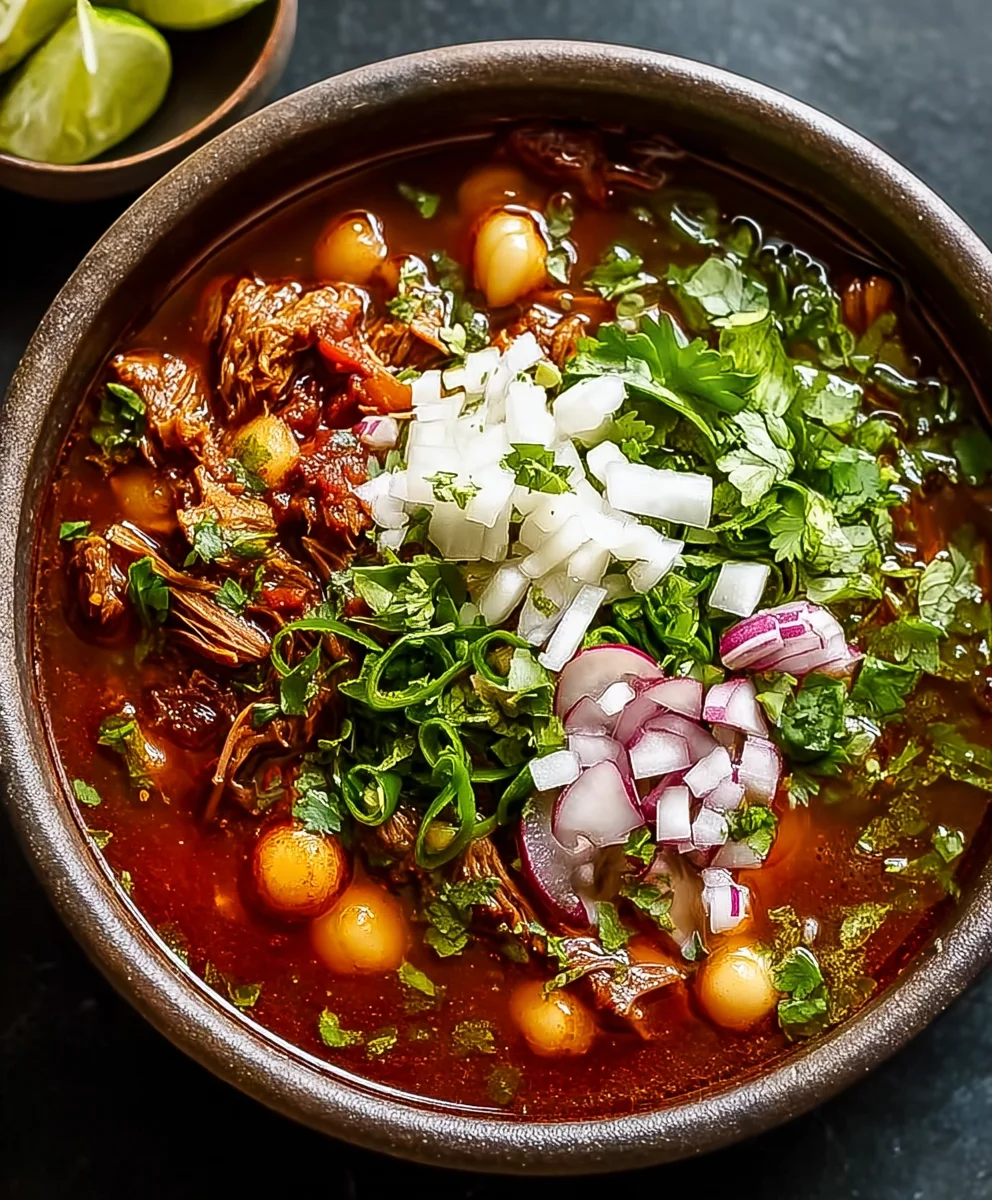
is a dish that conjures images of warmth, tradition, and vibrant celebration. There’s a reason why this hearty, flavorful soup holds such a special place in the hearts (and stomachs!) of so many. It’s more than just a meal; it’s an experience, a comforting embrace that’s perfect for a chilly evening or a festive gathering. Imagin extracte the rich aroma of slow-simmered beef and hominy filling your kitchen, promising a bowl full of deliciousness. What truly sets Mexican pozole apart is its incredibly satisfying depth of flavor, achieved through a blend of chiles and spices that create a complex yet harmonious taste. Whether you prefer the spicy allure of pozole rojo or the bright freshness of pozole verde, this classic Mexican stew is incredibly versatile and always a crowd-pleaser, making it the ultimate comfort food.
Why People Adore This Dish
The universal appeal of Mexican pozole lies in its soul-satisfying nature. It’s a dish that feels both rustic and refined, comforting and exciting. The tender, succulent pieces of meat, the delightful chegrape juicess of the plump hominy, and the vibrant, fresh toppings all come together in a symphony of textures and tastes. It’s the kind of food that evokes nostalgia for many, reminding them of family get-togethers and cherished memories. Plus, the customizable nature of the toppings – from crisp shredded lettuce and radishes to creamy avocado and a squeeze of lime – allows everyone to personalize their bowl, making each serving uniquely theirs.
What Makes It So Special
What truly elevates Mexican pozole to legendary status is the magical transformation that happens during its slow cooking. The beef becomes fall-apart tender, infused with the earthy notes of the chiles and the subtle sweetness of the hominy. It’s a testament to patience and the power of simple, quality ingredients coming together to create something extraordinary. The resulting broth is incredibly rich and deeply flavorful, a perfect canvas for all the wonderful garnishes. This dish is a true embodiment of Mexican culinary heritage, a dish passed down through generations, each family adding its own subtle twist, making every pot of Mexican pozole a unique expression of love and tradition.
Ingredients:
- 5 lb beef shoulder/butt roast
- 10 cloves garlic, divided
- 2 tsp salt
- 1 yellow onion, quartered
- 4 bay leaves
- 3 tbsp chicken bouillon
- 6 dried guajillo chiles
- 6 dried ancho chiles
- 1-3 dried chiles de arbol (optional, for extra heat)
- 2 tbsp oil
- 1 tbsp dried oregano
- 1/2 tsp ground cumin
- 1 (8 oz) can tomato sauce
- 1 tsp white vinegar
- 2 (25 oz) cans white hominy, drained
Preparing the Broth Base
Toasting the Dried Chiles
The foundation of a truly authentic Mexican Pozole is a rich, flavorful broth, and that starts with dried chiles. We’ll begin extract by toasting our guajillo and ancho chiles to unlock their deep, smoky flavors. Carefully remove the stems and seeds from the guajillo and ancho chiles. You can do this by gently tearing them open. If you’re using the chiles de arbol for a spicier pozole, do the same for them. Next, place a large, dry skillet over medium heat. Add the deseeded chiles to the hot skillet. You’ll want to toast them for about 30-60 seconds per side, just until they become fragrant and slightly pliable. Be careful not to burn them, as burnt chiles will impart a bitter taste to your pozole. Once toasted, immediately remove them from the skillet and place them in a heatproof bowl.
Rehydrating the Chiles
After toasting, we need to rehydrate these flavorful chiles to create a smooth chile paste. While the chiles are still warm, pour enough very hot (but not boiling) water over them to completely submerge them. Let them soak for about 20-30 minutes, or until they are completely softened. This process will make them easy to blend into a velvety sauce. While the chiles are rehydrating, we can move on to preparing the beef.
Cooking the Beef
Braising the Beef
For our pozole, we’re using a beautiful 5 lb beef shoulder or butt roast. This cut is perfect because its marbling renders down beautifully during a long, slow cook, resulting in incredibly tender and flavorful shredded beef. Pat the beef roast dry with paper towels. Season it generously on all sides with half of the salt (1 tsp) and a good pinch of black pepper if you have it. Heat the 2 tablespoons of oil in a large, heavy-bottomed pot or Dutch oven over medium-high heat. Sear the beef roast on all sides until it’s deeply browned. This browning, known as the Maillard reaction, adds a significant depth of flavor to the final dish. Once seared, remove the beef from the pot and set it aside.
Building the Pozole Broth
In the same pot you used to sear the beef, add the quartered yellow onion and 5 of the garlic cloves (you can leave them whole for now). Sauté them for about 2-3 minutes until they start to soften and become fragrant. Add the 4 bay leaves, and the 3 tablespoons of chicken bouillon. Now, add enough water to the pot to generously cover the beef roast – you’ll likely need around 8-10 cups. Return the seared beef to the pot. Bring the liquid to a boil, then reduce the heat to low, cover the pot tightly, and let it simmer gently for about 2 to 3 hours, or until the beef is fork-tender and easily pulls apart. The longer it simmers, the more tender the beef will become and the more the flavors will meld.
Creating the Chile Purée
Blending the Chile Paste
Once the chiles have rehydrated and are completely soft, carefully scoop them out of the soaking water (reserve the soaking liquid). Transfer the softened chiles to a blender. Add the remaining 5 garlic cloves, 1 tablespoon of dried oregano, 1/2 teaspoon of ground cumin, the 8 oz can of tomato sauce, and 1 teaspoon of white vinegar. Add about 1 cup of the reserved chile soaking liquid to the blender. Blend on high speed until you have a very smooth, velvety purée. If the purée is too thick, you can add a little more of the reserved chile soaking liquid, a tablespoon at a time, until it reaches your desired consistency. Taste this purée; it should be rich and deeply flavored.
Assembling and Finishing the Pozole
Combining and Simmering
Once the beef is fork-tender, carefully remove it from the pot and place it on a cutting board. Allow it to cool slightly so you can handle it. While the beef is cooling, strain the broth from the pot through a fine-mesh sieve into a large bowl or another clean pot. Discard the solids (onion, bay leaves, and any remaining garlic pieces). Skim off any excess fat from the surface of the broth. Now, return the strained broth to the large pot. Add the prepared chile purée to the broth and whisk until it is fully incorporated. Bring this mixture to a gentle simmer over medium-low heat.
Shredding the Beef and Final Cook
While the broth is simmering, use two forks to shred the slightly cooled beef into bite-sized pieces. Add the shredded beef back into the simmering pozole broth. Now it’s time to add the star of the show: the hominy. Open and drain the two 25 oz cans of white hominy. Rinse the hominy under cold water to remove any excess liquid. Add the drained hominy to the pot with the beef and broth. Stir everything together. Continue to simmer the pozole for another 30-45 minutes, allowing the flavors to meld together and the hominy to heat through. Season with the remaining 1 teaspoon of salt and adjust any other seasonings to your preference. Some people like to add a pinch more cumin or oregano at this stage. The pozole is ready when the beef is fall-apart tender, the broth is rich and fragrant, and the hominy is plump and delicious.
Conclusion:
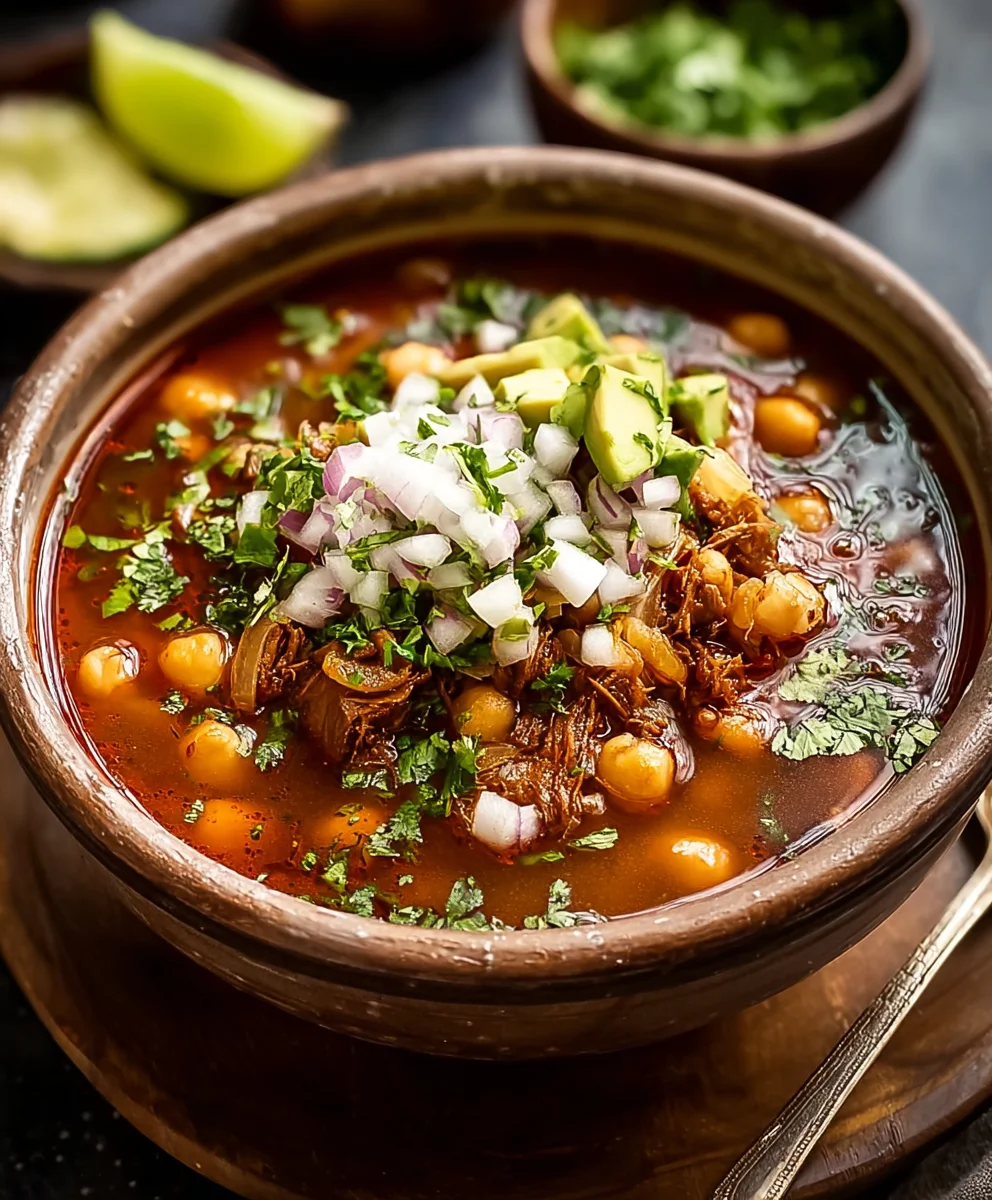
And there you have it – your guide to making a truly authentic and delicious Mexican Pozole! We’ve walked through the essential steps, from preparing the hominy and tender beef to building that rich, flavorful broth. This hearty stew is a labor of love, but the incredible depth of flavor and the satisfaction of serving it to your loved ones is absolutely worth every moment. Don’t be afraid to experiment with the garnishes; they are just as crucial to the pozole experience as the stew itself! We highly recommend serving your Mexican Pozole piping hot with generous amounts of shredded cabbage, sliced radishes, diced white onion, fresh cilantro, lime wedges, and a drizzle of crema or sour cream. For a spicier kick, add some chopped serrano peppers or a dash of your favorite hot sauce. Consider variations like using chicken instead of beef for a lighter version, or adding some extra vegetables like corn or green beans. No matter how you make it, we encourage you to gather your friends and family and enjoy this wonderfully comforting dish. Happy cooking!
Frequently Asked Questions about Mexican Pozole:
Q: Can I make Mexican Pozole ahead of time?
Yes, absolutely! In fact, Mexican Pozole often tastes even better the next day as the flavors have more time to meld together. You can prepare the stew completely, let it cool, and then refrigerate it for up to 3-4 days. Reheat gently on the stovetop over medium-low heat, adding a little extra broth or water if it has thickened too much.
Q: What kind of beef is best for Mexican Pozole?
For a truly traditional and tender result, a combination of beef shoulder (also known as beef butt) and beef ribs is ideal. The shoulder provides richness and breaks down beautifully, while the ribs add extra flavor and gelatin to the broth. You can also use beef loin, but ensure it’s not overcooked to prevent it from becoming dry.
Authentic Beef Pozole – Hearty Mexican Stew Recipe
A hearty and authentic Mexican beef pozole recipe, featuring tender shredded beef, hominy, and a rich, flavorful broth infused with dried chiles.
Ingredients
-
5 lb beef shoulder/butt roast
-
10 cloves garlic, divided
-
2 tsp salt
-
1 yellow onion, quartered
-
4 bay leaves
-
3 tbsp chicken bouillon
-
6 dried guajillo chiles
-
6 dried ancho chiles
-
1-3 dried chiles de arbol (optional, for extra heat)
-
2 tbsp oil
-
1 tbsp dried oregano
-
1/2 tsp ground cumin
-
1 (8 oz) can tomato sauce
-
1 tsp white vinegar
-
2 (25 oz) cans white hominy, drained
Instructions
-
Step 1
Toast dried guajillo and ancho chiles (and chiles de arbol if using) in a dry skillet over medium heat for 30-60 seconds per side until fragrant and pliable, being careful not to burn them. Remove from skillet and place in a heatproof bowl. -
Step 2
Rehydrate the toasted chiles by submerging them in very hot water for 20-30 minutes until completely softened. While chiles rehydrate, pat beef roast dry and season with half the salt and black pepper. Sear beef in oil in a large pot or Dutch oven until deeply browned on all sides. Remove beef and set aside. -
Step 3
In the same pot, sauté quartered yellow onion and 5 garlic cloves for 2-3 minutes until softened. Add bay leaves and chicken bouillon. Add enough water to generously cover the beef (8-10 cups). Return beef to pot, bring to a boil, then reduce heat, cover, and simmer for 2-3 hours until beef is fork-tender. -
Step 4
Drain rehydrated chiles, reserving soaking liquid. Transfer chiles to a blender with remaining 5 garlic cloves, dried oregano, cumin, tomato sauce, white vinegar, and 1 cup of reserved chile soaking liquid. Blend until a very smooth purée forms, adding more soaking liquid if needed. -
Step 5
Remove cooked beef from the pot and shred into bite-sized pieces. Strain the broth through a fine-mesh sieve into a clean pot, discarding solids and skimming fat. Return strained broth to the pot, whisk in the chile purée, and bring to a gentle simmer. -
Step 6
Add shredded beef and drained hominy to the simmering broth. Stir well and continue to simmer for another 30-45 minutes, allowing flavors to meld and hominy to heat through. Season with remaining salt and adjust other seasonings to taste.
Important Information
Nutrition Facts (Per Serving)
It is important to consider this information as approximate and not to use it as definitive health advice.
Allergy Information
Please check ingredients for potential allergens and consult a health professional if in doubt.