Calabacitas – Easy Mexican Squash Recipe Delight
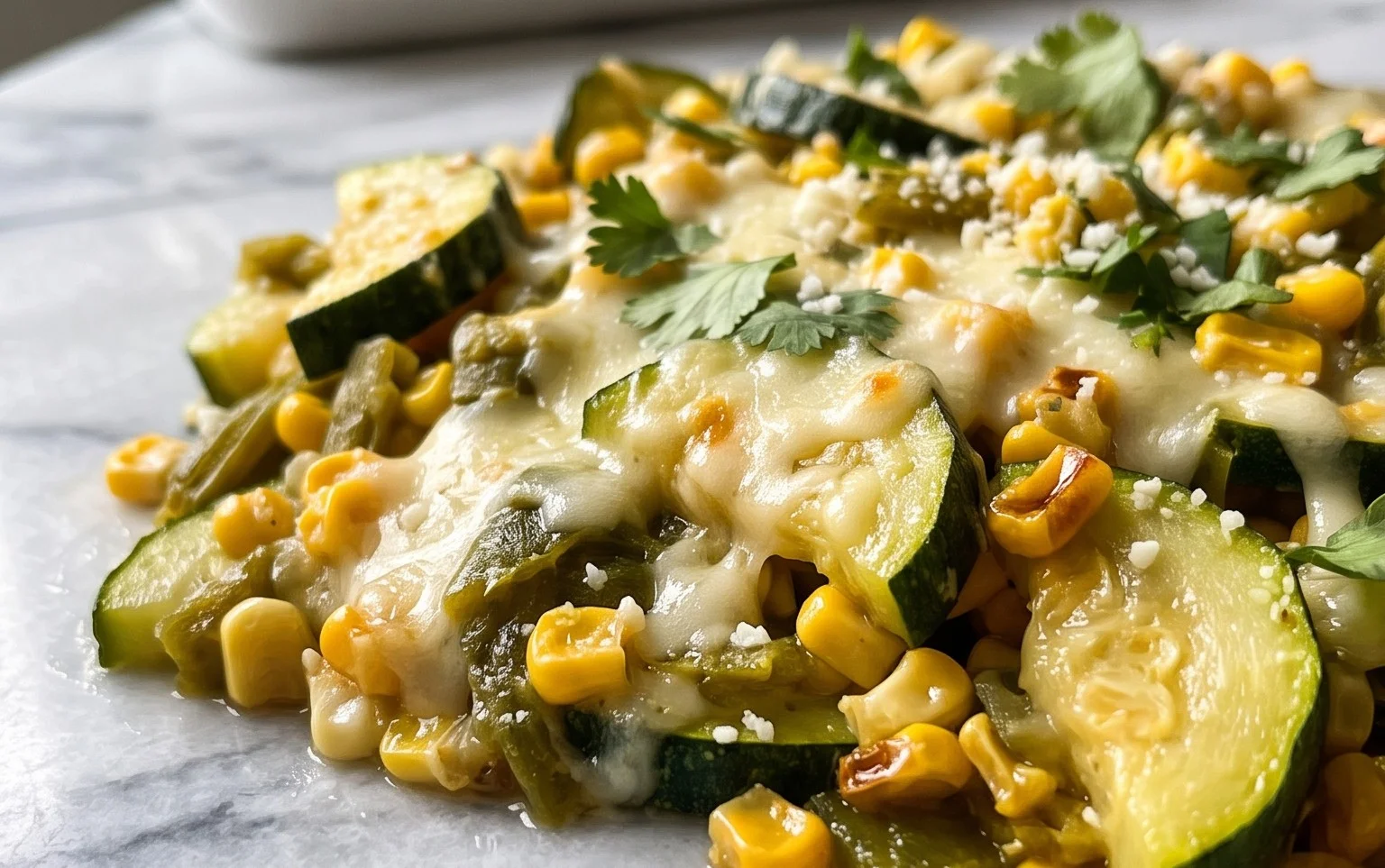
Calabacitas, oh, how I adore this simple yet profoundly satisfying dish! If you’ve never had the pleasure, let me introduce you to your new favorite side, or even main, event. Calabacitas, a delightful Mexican zucchini and corn medley, is more than just a recipe; it’s a warm hug on a plate. It’s a dish that bursts with the vibrant flavors of summer, even when the weather outside is frightful. What makes calabacitas so universally loved? It’s the perfect balance of sweet corn kernels, tender zucchini, often punctuated by the smoky warmth of roasted poblano peppers and the savory depth of onion and garlic. It’s incredibly versatile – a fantastic accompaniment to grilled meats, tacos, or even just enjoyed on its own with a dollop of crema and a sprinkle of cheese. This calabacitas recipe is my go-to for bringin extractg a taste of authentic Mexican sunshine into my kitchen, and I can’t wait to share it with you.
Calabacitas
Calabacitas, a beloved dish origin extractating from Mexico, is a delightful and versatile vegetable medley that celebrates the bounty of summer produce. Its name, translating to “little squashes” in Spanish, hints at its primary star, but this vibrant dish is a harmonious blend of textures and flavors. It’s incredibly adaptable, making it a fantastic side dish to grilled meats, chicken, or fish, or even a light and satisfying vegetarian main course served with tortillas or rice. The beauty of calabacitas lies in its simplicity – fresh vegetables sautéed until tender-crisp, seasoned with warm spices, and often finished with a touch of melty cheese. It’s a taste of sunshine on a plate, perfect for weeknight dinners or potlucks.
My favorite way to enjoy calabacitas is when the summer garden is overflowing with zucchini and yellow squash. The freshness of the ingredients truly shines through. It’s a dish that’s not only good for you but also incredibly satisfying. The slight sweetness of the corn, the mild heat from the jalapeño (if you choose to include it), and the earthy undertones of the poblano pepper create a complex yet approachable flavor profile. Don’t be intimidated by the number of ingredients; they come together in a wonderfully simple way. Let’s get started on creating this delicious vegetable feast!
Ingredients:
Cooking Instructions
Step 1: Preparing the Aromatics and Peppers
Begin extract by heating your olive oil in a large skillet or Dutch oven over medium heat. Once the oil is shimmering, add your diced onion. We want to sauté the onion until it becomes translucent and begin extracts to soften, which usually takes about 5-7 minutes. This process draws out the natural sweetness of the onion and forms a flavorful base for our dish. Next, add the diced poblano pepper and the diced jalapeño pepper (remember to remove the seeds if you prefer a milder spice level). Sauté these peppers for another 5-7 minutes, stirring occasionally, until they start to soften and their vibrant colors become more pronounced. The poblano will release a wonderful, slightly smoky aroma.
Step 2: Incorporating the Squash and Tomatoes
Now it’s time to add the star vegetables. Add your sliced zucchini and yellow squash to the skillet. Give everything a good stir to coat the squash in the fragrant oil and aromatics. Cook for about 8-10 minutes, stirring frequently, until the squash begin extracts to tenderize but still retains a slight bite – we don’t want mushy vegetables! Following the squash, add your diced Roma tomatoes. The tomatoes will begin extract to break down as they cook, releasing their juices and adding a lovely acidity and depth of flavor to the dish. Continue to cook for another 3-5 minutes, allowing the tomatoes to soften.
Step 3: Adding the Corn and Garlic
It’s time to bring in the sweetness of the corn. If you’re using fresh or frozen corn, simply add it directly to the skillet. If you’re using canned corn, make sure to drain it thoroughly before adding. Stir the corn into the vegetable mixture. Now, add your minced garlic. Garlic is best added a little later in the cooking process to prevent it from burning and becoming bitter. Sauté for just about 1 minute, until the garlic is fragrant. Stir well to ensure the garlic is distributed evenly throughout the vegetables.
Step 4: Seasoning and Simmering
With all our vegetables in the pan, it’s time to season them beautifully. Add the kosher salt, freshly ground black pepper, dried oregano, and ground cumin. The combination of oregano and cumin provides that quintessential Southwestern warmth that makes calabacitas so irresistible. Stir everything together thoroughly, ensuring that the spices are evenly distributed. Now, pour in the ¼ cup of water. This liquid will help to steam the vegetables slightly, ensuring they cook through evenly without becoming oily, and it will also help to meld the flavors together. Bring the mixture to a gentle simmer, then reduce the heat to low, cover the skillet, and let it cook for about 10-15 minutes. This simmering period is crucial for allowing the vegetables to become perfectly tender and for the flavors to deepen and meld. Stir occasionally to prevent sticking.
Step 5: The Cheesy Finnon-alcoholic ale
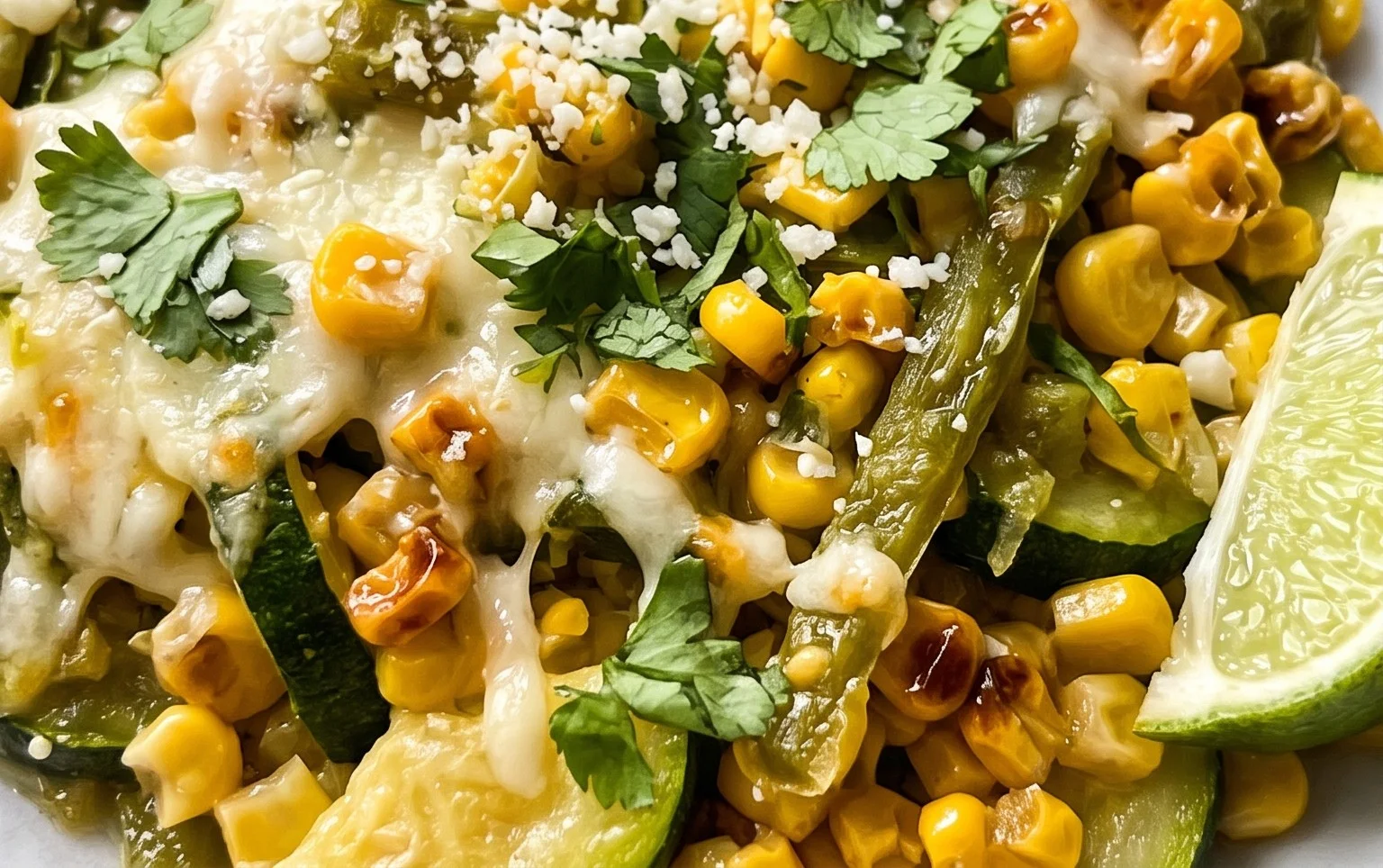
After the simmering period, uncover the skillet. The vegetables should be tender but still have a pleasant al dente texture. The liquid should have mostly evaporated, leaving behind a wonderfully concentrated flavor. Now for the best part: the cheese! Sprinkle the shredded cheddar cheese evenly over the top of the calabacitas. Cover the skillet again for about 2-3 minutes, or until the cheese has melted into a gooey, delicious blanket. You can also briefly place the skillet under the broiler for a minute or two to get a lovely golden-brown, slightly crispy top on the cheese, but be sure to watch it very carefully to prevent burning. Serve immediately and enjoy the vibrant flavors of your homemade calabacitas! This dish is wonderful on its own, or as a delightful accompaniment to your favorite Mexican or Tex-Mex meals.
Conclusion:
And there you have it – a truly delightful way to enjoy the simple goodness of calabacitas! This recipe is fantastic because it’s so versatile and brings out the natural sweetness of the squash with just a few key ingredients. It’s a comforting and healthy dish that can be on your table in no time, making it perfect for a weeknight meal or a vibrant side dish for a gathering. I hope you find as much joy in making and eating this as I do!
This calabacitas dish is wonderful served alongside grilled meats, roasted chicken, or even as a flavorful filling for tacos or burritos. For a lighter option, it’s also delicious spooned over fluffy rice or quinoa. Don’t be afraid to experiment with variations! You can easily add corn for extra sweetness, a pinch of chili powder for a subtle kick, or even some crum extractbled cotija cheese for a salty, tangy finish. Give this recipe a try – I’m confident you’ll fall in love with its fresh flavors and ease of preparation.
Frequently Asked Questions:
What kind of squash is best for calabacitas?
While zucchini is commonly used and works wonderfully, you can also use yellow squash or a combination of both for a lovely blend of textures and flavors. The key is to use tender squash that won’t become watery when cooked.
Can I make this dish ahead of time?
Calabacitas is best enjoyed fresh, as the squash can lose its crispness and become a bit mushy if reheated multiple times. However, you can chop your vegetables in advance to save time when you’re ready to cook.
Is this recipe spicy?
This basic recipe is not inherently spicy. The heat level is determined by the type and amount of chili pepper you choose to add. If you prefer a mild dish, simply omit the chili pepper or use a very small amount of a mild variety.
Calabacitas
A flavorful Mexican squash and corn dish, perfect as a side or light meal.
Ingredients
-
1 tablespoon olive oil
-
1 small onion, diced (yellow or white)
-
1 poblano pepper, diced
-
1 jalapeño pepper, diced (seeds removed if you don’t want it spicy)
-
1 ½ cups yellow corn, fresh or frozen (or 15.25-ounce can, drained)
-
2 Roma tomatoes, diced
-
1 large zucchini, sliced into ¼-inch thick quartered pieces or half moons
-
1 large yellow squash, sliced into ¼-inch thick quartered pieces or half moons
-
3 cloves garlic, minced
-
2 teaspoons kosher salt
-
¼ teaspoon freshly ground black pepper
-
¼ teaspoon dried oregano
-
¼ teaspoon ground cumin
-
¼ cup water
-
½ cup shredded cheddar cheese
Instructions
-
Step 1
Heat olive oil in a large skillet over medium heat. -
Step 2
Add diced onion, poblano pepper, and jalapeño pepper. Cook until softened, about 5-7 minutes. -
Step 3
Stir in corn, diced tomatoes, zucchini, and yellow squash. Cook for another 10-12 minutes, or until vegetables are tender-crisp. -
Step 4
Add minced garlic, salt, black pepper, oregano, and cumin. Stir to combine. -
Step 5
Pour in water and bring to a simmer. Cook for 2-3 minutes until slightly reduced. -
Step 6
Stir in shredded cheddar cheese until melted and creamy.
Important Information
Nutrition Facts (Per Serving)
It is important to consider this information as approximate and not to use it as definitive health advice.
Allergy Information
Please check ingredients for potential allergens and consult a health professional if in doubt.