Chimichurri Sauce – The Best Fresh Herb Recipe
Chimichurri sauce is more than just a condiment; it’s an explosion of fresh, vibrant flavor that elevates everything it touches. If you’ve ever grilled steak to perfection or enjoyed a perfectly roasted chicken, chances are you’ve experienced the magic of this Argentinian delight. What makes chimichurri sauce so beloved? It’s the incredibly simple yet profoundly impactful combination of fresh herbs, zesty garlic, and a hint of tang. This isn’t your average bottled sauce; this is a bright, herbaceous masterpiece that I simply can’t get enough of. It’s the secret weapon that transforms an ordinary meal into something truly memorable. The way it cuts through richness, brightens up grilled meats, and even adds a delightful zing to vegetables is, frankly, spectacular. Get ready to discover why chimichurri sauce is about to become your new culinary obsession.
Chimichurri Sauce
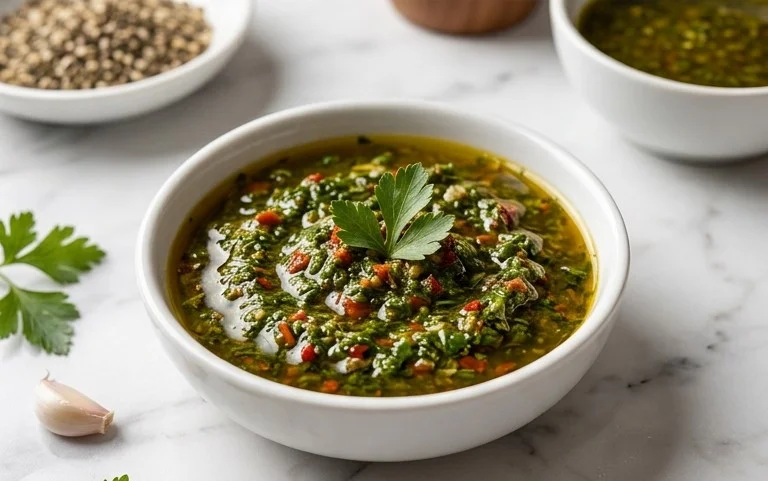
There’s something truly magical about a vibrant, herbaceous sauce that can elevate even the simplest grilled chicken or steak to a culinary masterpiece. My go-to for achieving this culinary alchemy is a classic Chimichurri sauce. Hailing from Argentina and Uruguay, this uncooked condiment is a glorious symphony of fresh herbs, pungent garlic, and tangy vinegar, all bound together with a luscious olive oil base. It’s incredibly versatile, bursting with flavor, and surprisingly simple to make. Forget those store-bought versions; the fresh, zesty punch of homemade chimichurri is unparalleled. This recipe delivers a bright, zesty, and slightly spicy sauce that’s perfect for dipping, drizzling, or marinating.
Ingredients:
*Note: For the freshest and most vibrant flavor, use flat-leaf parsley. Italian flat-leaf parsley has a more robust flavor than curly parsley, which can sometimes be a bit bitter.
**Note: A good quality extra virgin extract olive oil will impart the best flavor. If you have a less robust olive oil, you can use a blend of olive oil and a neutral oil like avocado or grapeseed oil.
Crafting Your Chimichurri
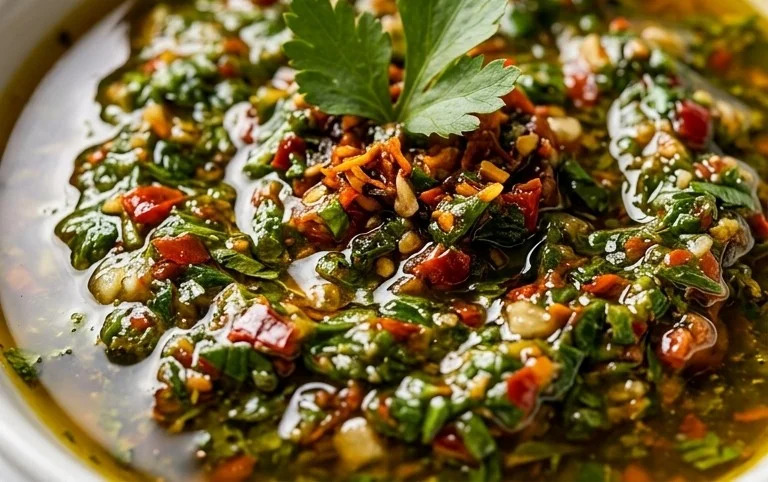
The beauty of chimichurri lies in its freshness and the way the ingredients meld together. You don’t need any fancy equipment, just a good knife and a bowl, or if you prefer a smoother texture, a food processor. I personally love the slightly rustic, chunky texture you get from chopping by hand, but I’ll outline both methods for you.
Preparation Steps:
1. Herb Powerhouse: Start by preparing your fresh herbs. Thoroughly wash and dry your parsley and cilantro. The key to getting a good texture and avoiding a watery sauce is to ensure your herbs are completely dry. A salad spinner is excellent for this, or you can pat them dry with paper towels. For the parsley, I like to remove the thicker stems, as they can be a bit fibrous and detract from the smooth texture. However, if your parsley stems are young and tender, you can leave them on. Roughly chop the parsley and cilantro. Next, address the oregano. If you’re using fresh oregano, give it a rinse and chop it finely. If you’re opting for dried oregano, simply measure out 1 teaspoon.
2. Aromatic Foundation: Now, let’s get to the aromatics. Finely mince the garlic cloves. You want them to be small enough that they distribute evenly throughout the sauce and aren’t overpowering in any single bite. For the red onion (or shallot), finely mince it as well. If you find raw red onion too pungent for your liking, you can soak the minced onion in cold water for about 10 minutes and then drain it well. This process mellows its bite considerably, leaving you with a sweeter, more subtle onion flavor.
3. The Tangy Trio: In a medium bowl, combine your minced garlic, minced red onion (or shallot), the chopped parsley, cilantro, and oregano. Add the red grape juice vinegar and fresh lemon juice. The vinegar provides a crucial acidic backbone, while the lemon juice adds a brighter, fresher citrus note. If you’re a fan of a little heat, now is the time to sprinkle in the red pepper flakes. Start with 1/4 teaspoon, and remember you can always add more later if you desire a spicier kick.
4. Seasoning and Emulsification: Sprinkle in the salt. It’s important to season your chimichurri properly. Start with 1/2 teaspoon and taste as you go. Salt not only enhances all the other flavors but also helps to balance the acidity. Now, begin extract to slowly drizzle in the olive oil while whisking constantly. This step is where the magic happens – the oil emulsifies with the vinegar and lemon juice, creating a cohesive and luscious sauce. Continue whisking until all the olive oil is incorporated and the sauce has a beautiful, slightly thickened consistency. If you’re using a food processor, you can pulse all the ingredients together, starting with the herbs and aromatics, and then slowly drizzle in the liquids and oil until you reach your desired consistency. Be careful not to over-process, or you’ll end up with a paste rather than a sauce.
5. Rest and Revel: Once everything is combined, give your chimichurri a good taste. This is your chance to adjust the seasoning. Does it need more salt? A touch more vinegar or lemon juice for extra tang? A pinch more red pepper flakes for heat? Don’t be afraid to personalize it to your palate! Once you’re happy with the flavor, cover the bowl and let the chimichurri rest in the refrigerator for at least 15-30 minutes. This resting period allows the flavors to meld and deepen. I often find it tastes even better the next day.
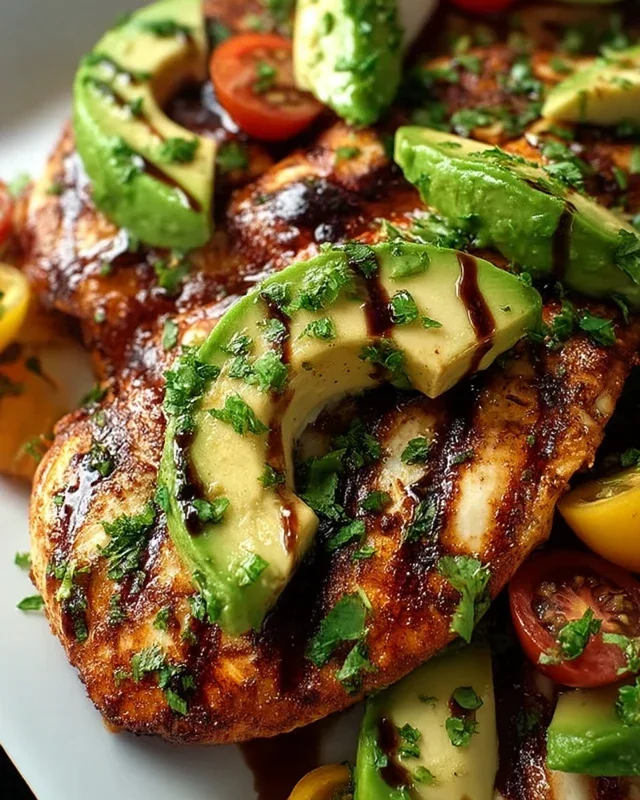
Serve your vibrant chimichurri over grilled steak, chicken, fish, or vegetables. It’s also fantastic as a dip for bread or as a dressing for salads. Enjoy the explosion of fresh flavor!
Conclusion:
And there you have it – your guide to crafting the most vibrant and flavorful chimichurri sauce! This recipe truly shines because of its simplicity and the incredible freshness it brings to any dish. It’s a perfect example of how a few quality ingredients, combined with minimal effort, can yield spectacular results. Whether you’re grilling steaks, roasting vegetables, or even drizzling it over fish, this herbaceous sauce elevates everything it touches. I highly encourage you to give this chimichurri sauce a try; you’ll be amazed at how quickly it becomes a staple in your kitchen.
Don’t be afraid to experiment! While this classic recipe is fantastic, feel free to adjust the herbs to your liking, perhaps adding a touch more parsley or cilantro. Consider a spicier kick by adding a pinch of red pepper flakes or a small jalapeño. The possibilities are endless, and the adaptability of this sauce is one of its greatest strengths. So, go forth and create your own perfect batch of chimichurri sauce!
Frequently Asked Questions:
How long does chimichurri sauce last?
When stored properly in an airtight container in the refrigerator, this chimichurri sauce will stay fresh for about 3-5 days. The flavors might even meld and deepen a bit during that time!
Can I freeze chimichurri sauce?
Yes, absolutely! You can freeze chimichurri sauce in ice cube trays for easy portioning, then transfer the frozen cubes to a freezer-safe bag. It’s a great way to have this delicious sauce on hand whenever you need it.
What if I don’t have fresh oregano?
While fresh oregano is ideal for its pungent flavor, you can substitute dried oregano in a pinch. Use about one-third of the amount of dried oregano compared to fresh, as dried herbs are more concentrated. Be sure to add it earlier in the blending process to allow it to rehydrate.
Classic Chimichurri Sauce
A vibrant and herbaceous Argentinian sauce, perfect for grilled meats, especially pork and beef, or as a flavorful marinade.
Ingredients
-
1 1/2 cups well packed (42g) fresh parsley
-
1/2 cup well packed (20g) fresh cilantro
-
1/4 cup (9g) fresh oregano or 1 tsp dried
-
1/4 small red onion
-
3 garlic cloves
-
3 Tbsp red grape juice vinegar
-
2 Tbsp fresh lemon juice
-
1/2 tsp salt
-
1/4 tsp red pepper flakes
-
3/4 cup olive oil
Instructions
-
Step 1
Finely chop the fresh parsley, cilantro, oregano (if using fresh), red onion, and garlic. Alternatively, pulse them in a food processor until finely minced, but do not over-process into a paste. -
Step 2
In a medium bowl, combine the chopped herbs, onion, garlic, red grape juice vinegar, fresh lemon juice, salt, and red pepper flakes (if using). -
Step 3
Whisk the ingredients together until well combined. -
Step 4
Slowly drizzle in the olive oil while whisking continuously to emulsify the sauce. -
Step 5
Taste and adjust seasoning with more salt or red pepper flakes if desired. -
Step 6
For best flavor, let the chimichurri sauce rest for at least 15-30 minutes at room temperature before serving, or refrigerate for longer to allow the flavors to meld.
Important Information
Nutrition Facts (Per Serving)
It is important to consider this information as approximate and not to use it as definitive health advice.
Allergy Information
Please check ingredients for potential allergens and consult a health professional if in doubt.