Easy Chimichurri Sauce Recipe – Fresh Herb Flavor
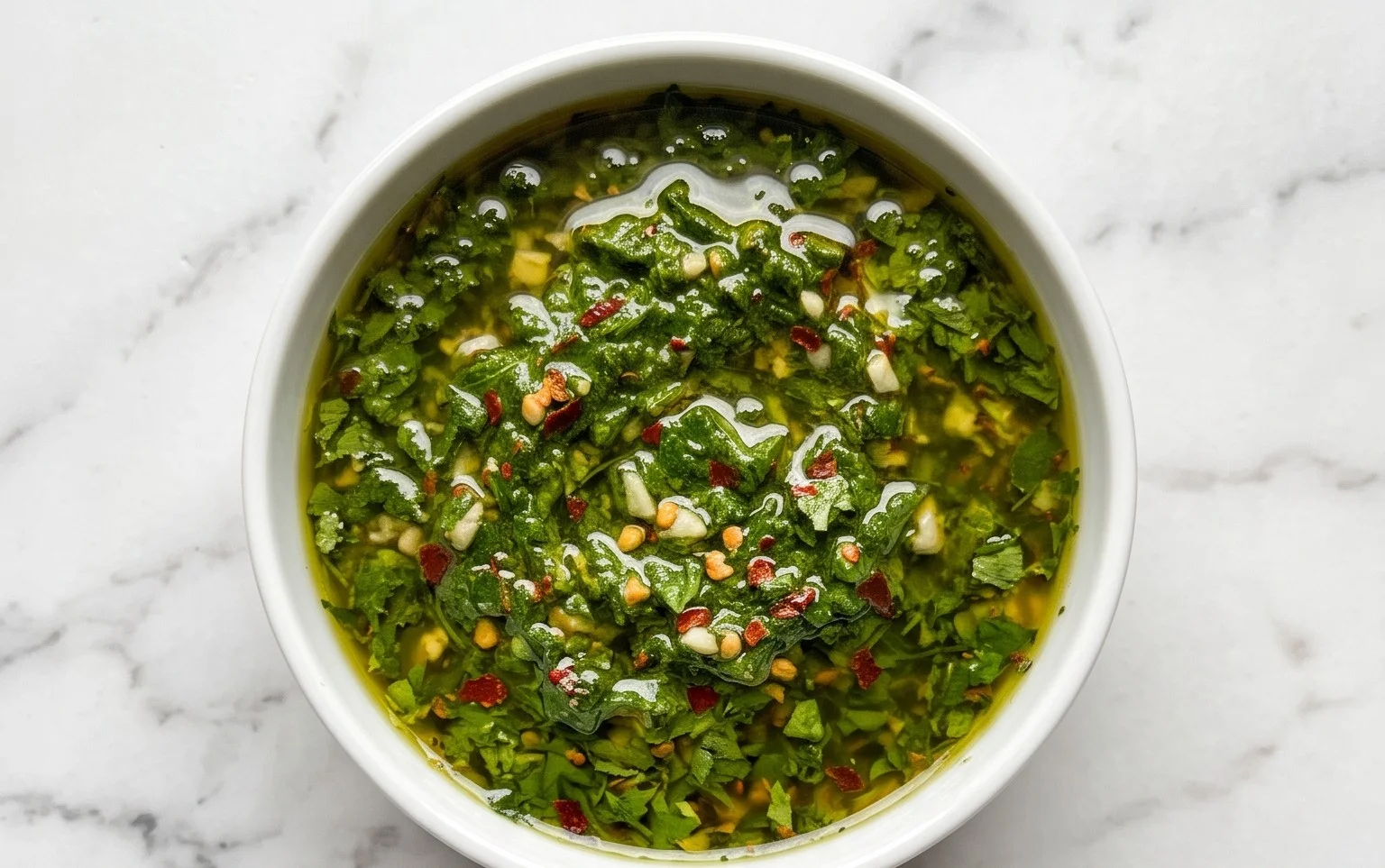
Chimichurri sauce recipe perfection is within your reach! This vibrant, herbaceous sauce isn’t just a condiment; it’s a flavor revolution waiting to happen. For those who’ve experienced its zesty punch, the appeal is undeniable. It’s that burst of fresh, tangy goodness that elevates grilled meats, roasted vegetables, and even humble eggs from ordinary to extraordinary. What makes a great chimichurri sauce recipe so special? It’s the harmonious dance of fresh parsley and oregano, the sharp bite of garlic, the subtle warmth of chili flakes, all brought together by the bright acidity of vinegar and the richness of olive oil. It’s incredibly versatile, adaptable, and surprisingly simple to make. Forget store-bought versions that often lack that authentic, punchy flavor. We’re about to unlock the secrets to creating a chimichurri sauce recipe that will have everyone asking for your secret!
Chimichurri Sauce Recipe
There’s something incredibly vibrant and invigorating about a beautifully prepared chimichurri sauce. This Argentinian staple is more than just a condiment; it’s a flavor explosion that can transform even the simplest grilled steak into a culinary masterpiece. Its bright, herbaceous notes and a subtle kick of spice make it incredibly versatile, perfect for drizzling over grilled meats, chicken, fish, or even roasted vegetables. Forget store-bought versions; making your own chimichurri is surprisingly easy and the freshness you achieve is unparalleled. Let’s dive into how you can whip up this glorious green sauce in your own kitchen.
Ingredients:
Instructions:
Creating this flavorful sauce is a straightforward process, primarily involving a bit of chopping and a good stir. The key to a fantastic chimichurri is the freshness of your ingredients, so don’t skimp on quality.
Step 1: Prepare the Herbs and Aromatics
Begin extract by meticulously preparing your fresh herbs. You want to remove all the tough stems from the parsley, cilantro, and oregano. For the parsley, this means stripping the leaves from the thicker stems. For cilantro and oregano, it’s often easier to just pluck the leaves. The goal is to have a generous pile of tender, green leaves. Next, roughly chop your red onion or shallots. The size doesn’t need to be super precise at this stage as everything will be further processed. Peel your garlic cloves. This step is all about getting all your primary flavor components ready for their transformation. Having everything prepped and ready to go makes the rest of the process smooth and efficient.
Step 2: Finely Chop the Herbs and Aromatics
This is where the magic starts to happen. You have a couple of options here, depending on your desired texture. For a more traditional, slightly rustic chimichurri, a sharp knife is your best friend. Take your prepared parsley, cilantro, oregano, red onion or shallots, and garlic. Finely mince all of these ingredients together. You can do this in batches if necessary. The finer you mince, the more the flavors will meld together. Aim for a consistency where the individual ingredients are recognizable but broken down into small pieces. If you prefer a smoother sauce, you can pulse these ingredients in a food processor. Be careful not to over-process, as you don’t want a paste. A few short pulses until finely chopped will achieve the desired result. This is also the stage where you’ll add your red pepper flakes. These little bits of dried chili will provide a gentle warmth that is characteristic of good chimichurri.
Step 3: Combine the Wet Ingredients
In a separate bowl, or directly into the bowl where you’ve combined your chopped aromatics, it’s time to introduce the liquids. Pour in your high-quality extra-virgin extract olive oil. Using a good olive oil is crucial for the overall flavor profile of the sauce, as it’s a significant component. Next, add your red grape juice vinegar. This particular vinegar offers a lovely balance of acidity and a subtle fruity undertone that complements the herbs beautifully. If you can’t find red grape juice vinegar, a good quality red grape juice vinegar is a suitable substitute, though the flavor will be slightly different. Finally, squeeze in the fresh lemon juice. The brightness of the lemon juice cuts through the richness of the olive oil and adds another layer of zesty freshness.
Step 4: Season and Mix Thoroughly
Now comes the crucial seasoning step. Add your kosher salt to the mixture. Kosher salt has a cleaner, more direct salty flavor than table salt, and its larger crystals make it easier to control. Stir everything together thoroughly. Ensure the salt is well distributed. This is where you want to taste and adjust. Does it need a little more salt? Perhaps a touch more acidity from the lemon juice or vinegar? This is your chance to make it perfect for your palate. The goal is to have a harmonious blend of herbaceousness, acidity, and a hint of spice, all brought together by the richness of the olive oil.
Step 5: Let the Flavors Meld (Resting Time)**
While you can certainly enjoy your chimichurri immediately, I highly recommend letting it rest for at least 15-30 minutes, or even better, an hour, at room temperature before serving. This resting period is vital. It allows all the vibrant flavors to meld and deepen. The garlic will mellow slightly, the herbs will infuse their oils into the liquids, and the overall sauce will become more cohesive and complex. You can also make this sauce a day in advance; in fact, the flavors will be even more pronounced after a day in the refrigerator. If you refrigerate it, the olive oil may solidify slightly. Just let it sit at room temperature for about 15-20 minutes before serving, or give it a quick whisk to re-emulsify. This simple step makes a noticeable difference in the final taste.
This chimichurri sauce is incredibly versatile. It’s not just for grilled steaks; try it on grilled chicken, beef chops, fish, or even as a vibrant dressing for salads or a topping for roasted potatoes. The possibilities are endless! Enjoy the incredible burst of freshness this homemade sauce brings to your table.
Conclusion:
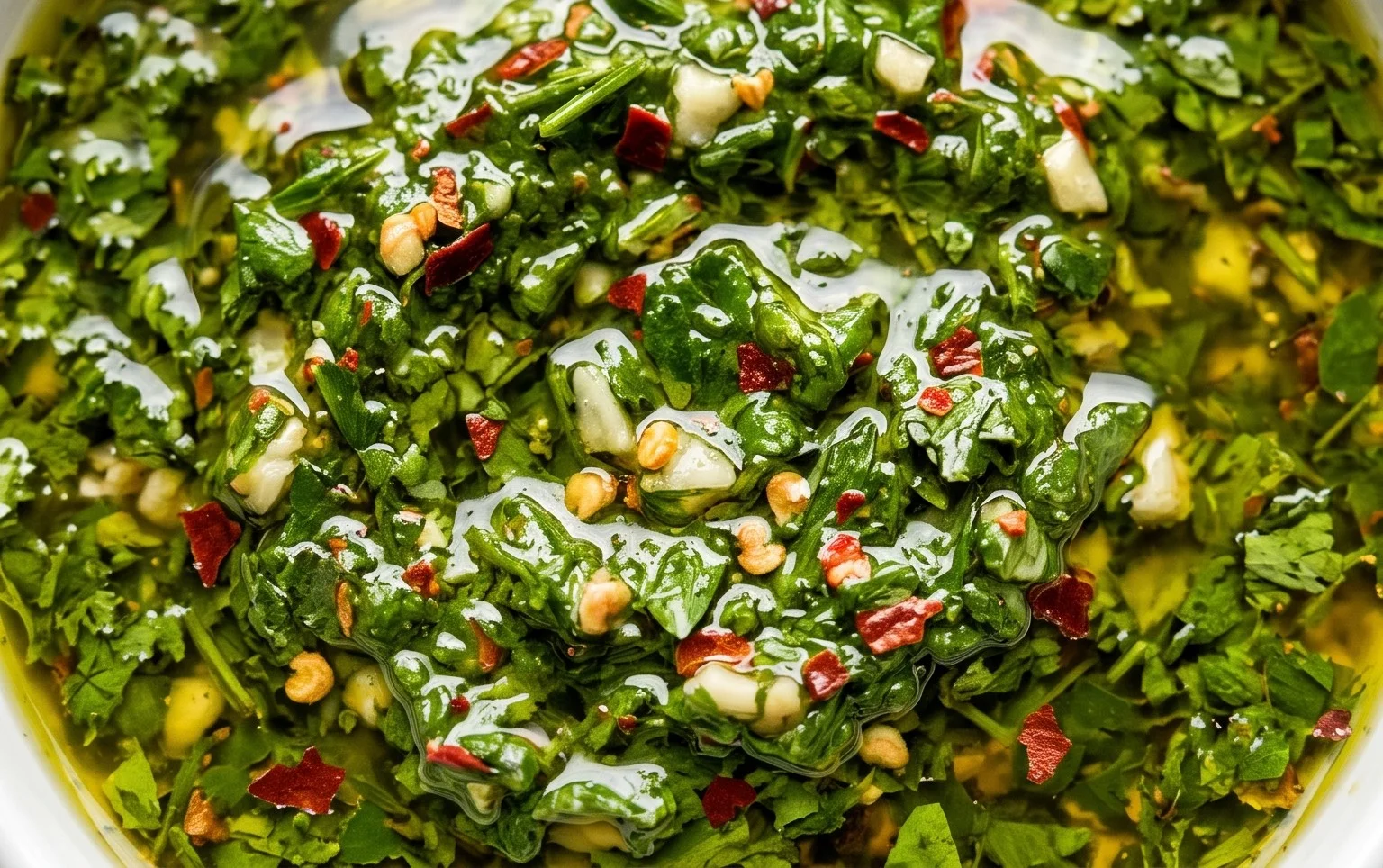
And there you have it – your ultimate guide to creating a vibrant and delicious Chimichurri Sauce recipe! This zesty herb sauce is incredibly versatile, bringin extractg a burst of fresh flavor to a wide array of dishes. Its bright, herbaceous notes and subtle kick make it a perfect accompaniment to grilled meats, roasted vegetables, fish, and even as a salad dressing. I truly encourage you to give this Chimichurri sauce recipe a try; it’s surprisingly simple to whip up and the results are consistently impressive. Don’t be afraid to experiment with its uses – the possibilities are truly endless!
For serving, think outside the box! While it’s a classic with steak, it’s also phenomenal drizzled over grilled chicken, pan-seared salmon, or roasted root vegetables. You can even swirl a spoonful into your mashed potatoes or use it as a zippy dip for empanadas. To switch things up, consider variations like adding a pinch of red pepper flakes for extra heat, incorporating a touch of lemon zest for an added citrus punch, or even blending in a roasted red pepper for a smoky depth. Get creative and make it your own!
Frequently Asked Questions:
What is the best way to store Chimichurri sauce?
You can store your homemade Chimichurri sauce in an airtight container in the refrigerator for up to a week. The flavors will continue to meld and deepen over time, often making it even more delicious on the second or third day!
Can I make Chimichurri sauce ahead of time?
Absolutely! In fact, making it a few hours or even a day ahead of time is highly recommended. This allows the fresh herbs and other ingredients to fully meld together, creating a more complex and satisfying flavor profile.
Chimichurri Sauce
A vibrant and herbaceous Argentinian sauce perfect for grilled meats and vegetables.
Ingredients
-
1 cup fresh Italian flat-leaf parsley, leaves only, stems removed
-
1/4 cup fresh cilantro, leaves only, stems removed
-
1/4 cup fresh oregano, leaves only, stems removed
-
1/3 cup roughly chopped red onion
-
3 cloves garlic, peeled
-
1/2 teaspoon red pepper flakes
-
1/2 cup extra-virgin olive oil
-
1/4 cup red grape juice vinegar
-
3 tablespoons fresh lemon juice
-
1 teaspoon kosher salt
Instructions
-
Step 1
Finely chop the fresh parsley, cilantro, and oregano. You can do this by hand or pulse them briefly in a food processor. -
Step 2
Finely chop the red onion (or shallots) and the garlic. -
Step 3
In a medium bowl, combine the chopped herbs, red onion, garlic, and red pepper flakes. -
Step 4
Whisk together the extra-virgin olive oil, red grape juice vinegar, and fresh lemon juice in a separate small bowl. -
Step 5
Pour the olive oil and vinegar mixture over the herb mixture. Stir well to combine. -
Step 6
Season with kosher salt to taste. Stir again. -
Step 7
For best flavor, let the chimichurri sauce sit for at least 10-15 minutes at room temperature before serving to allow the flavors to meld. It can also be refrigerated for later use.
Important Information
Nutrition Facts (Per Serving)
It is important to consider this information as approximate and not to use it as definitive health advice.
Allergy Information
Please check ingredients for potential allergens and consult a health professional if in doubt.