Easy French Butter Cookies-Rich Flavor Recipe
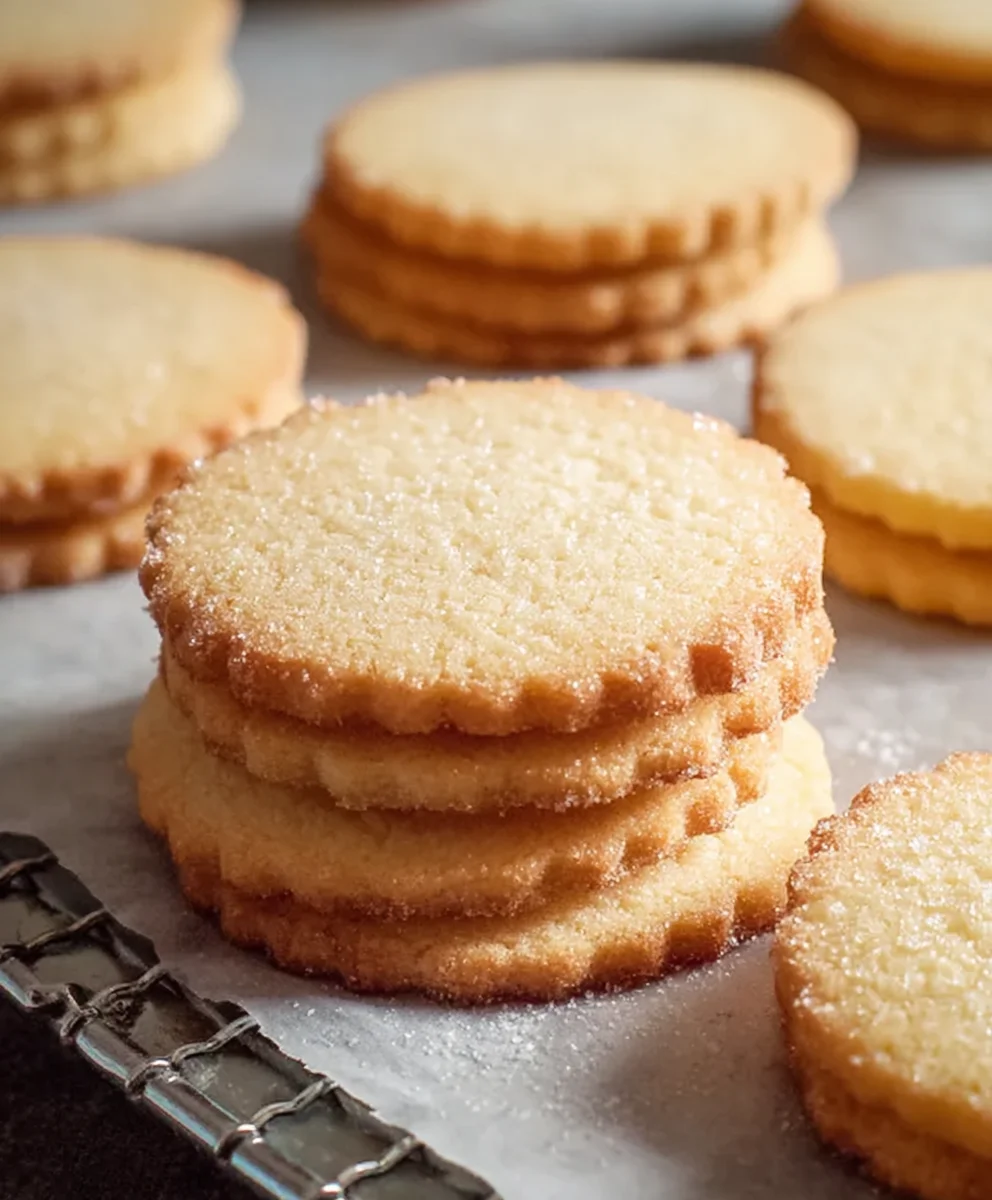
French Butter Cookies are more than just a simple treat; they’re a whisper of elegance and a testament to the magic that a few high-quality ingredients can create. Imagin extracte a cookie so delicate it practically melts on your tongue, with a rich, buttery aroma that fills your kitchen with pure comfort. That’s the essence of a truly great French Butter Cookie. People adore these cookies for their understated sophistication and their incredibly satisfying texture. They aren’t overly sweet, allowing the pure, unadulterated flavor of good butter to shine through, often enhanced by a subtle hint of vanilla or almond. What truly sets these apart is their incredible versatility. Whether served with a steaming cup of coffee, a delicate afternoon tea, or as a sweet ending to a meal, French Butter Cookies elevate any occasion into something a little more special.
Why You’ll Love These French Butter Cookies
We’ve taken the classic French Butter Cookie and crafted a recipe that is both accessible for home bakers and delivers that authentic, melt-in-your-mouth experience. Forget store-bought imitations; this recipe will allow you to create a batch of these delightful cookies that will have everyone asking for the secret. It’s about achieving that perfect crum extractbly yet tender bite, that irresistible golden hue, and that deeply satisfying buttery finish. Get ready to impress yourself and your loved ones with a taste of Parisian patisserie right in your own kitchen.
Ingredients:
- ½ cup butter, softened to room temperature
- ½ cup powdered sugar, sifted
- 1 large egg yolk, at room temperature
- ½ teaspoon pure vanilla extract
- 1 cup plus 2 tablespoons all-purpose flour
- ¼ cup granulated sugar, for coating
Preparing the French Butter Cookies Dough
The foundation of these delicate French Butter Cookies lies in a simple yet precise dough. We begin extract by creaming together the softened butter and sifted powdered sugar. This is a crucial step to ensure a light and tender cookie. Using softened butter, not melted, allows it to incorporate air effectively when beaten with the sugar, contributing to the cookie’s characteristic melt-in-your-mouth texture. Sifting the powdered sugar prevents any lumps from interfering with the smooth consistency of our dough. Beat these together in a medium bowl with an electric mixer on medium speed until the mixture is pnon-alcoholic ale yellow and fluffy, which usually takes about 2-3 minutes. Don’t rush this process; it’s where much of the cookie’s delicate structure is developed.
Next, we add the egg yolk and vanilla extract. The egg yolk contributes richness and a slightly chewier texture, while the vanilla extract provides that classic, comforting aroma and flavor. Beat these in until just combined. Again, avoid overmixing at this stage. Overworking the dough after adding the egg can develop the gluten in the flour too much, potentially leading to tougher cookies. We want a tender crum extractb, so a gentle incorporation is key.
Now it’s time to add the flour. Gradually add the all-purpose flour to the wet ingredients, mixing on low speed until just combined. It’s important to add the flour in stages to ensure it’s evenly distributed throughout the dough. The dough will start to come together and might seem a rum extracttle crumbly at first. This is perfectly normal. Once the flour is mostly incorporated and the dough starts to form a cohesive mass, stop mixing.
At this point, gently bring the dough together with your hands. It might still be a little sticky, which is okay. We are aiming for a dough that is pliable but not overly wet. If it feels excessively sticky, you can add an extra teaspoon of flour, but do so sparingly to avoid making the cookies dry. The goal is a dough that can be easily shaped without tearing.
Chilling and Shaping the Cookies
Once the dough is prepared, it needs to chill. This step is essential for several reasons. Chilling the dough solidifies the butter, making it easier to handle and preventing the cookies from spreading excessively during baking. It also allows the flavors to meld together, enhancing the overall taste of the French Butter Cookies. Wrap the dough tightly in plastic wrap, forming it into a disc or a log, depending on how you plan to shape your cookies. If you’re aiming for classic cookie shapes, a disc is ideal. If you prefer uniform logs for slicing, shape it into a log. Refrigerate for at least 30 minutes, or until firm enough to handle easily. For best results, I recommend chilling for at least 1 hour.
After chilling, you can proceed with shaping. If you’ve made a disc, you can gently roll it out on a lightly floured surface to about ¼-inch thickness and use cookie cutters to create your desired shapes. Alternatively, you can roll small portions of the dough between your palms to form balls, about ¾-inch in diameter. If you’ve formed a log, simply slice it into rounds approximately ¼-inch thick.
Coating and Baking the French Butter Cookies
Prepare your baking sheets by lining them with parchment paper. This prevents sticking and makes for easy cleanup. For the coating, pour the granulated sugar into a shallow dish. If you’ve rolled balls of dough, gently roll each ball in the granulated sugar until evenly coated. If you’ve cut out shapes or sliced rounds, you can lightly brush them with a tiny bit of water or egg wash (optional, but helps sugar adhere better) and then dip them into the sugar. Place the coated cookies onto the prepared baking sheets, leaving about 1 inch of space between them to allow for slight spreading.
Now, preheat your oven to 350°F (175°C). This moderate temperature ensures that the cookies bake evenly without burning. Baking time will vary depending on the size and thickness of your cookies, but typically ranges from 10 to 14 minutes. Keep a close eye on them, especially towards the end of the baking period. The cookies are ready when the edges are lightly golden brown, and the centers are set. They might still appear slightly soft, but they will firm up as they cool. Avoid overbaking, as this will result in dry, hard cookies.
Cooling and Enjoying Your French Butter Cookies
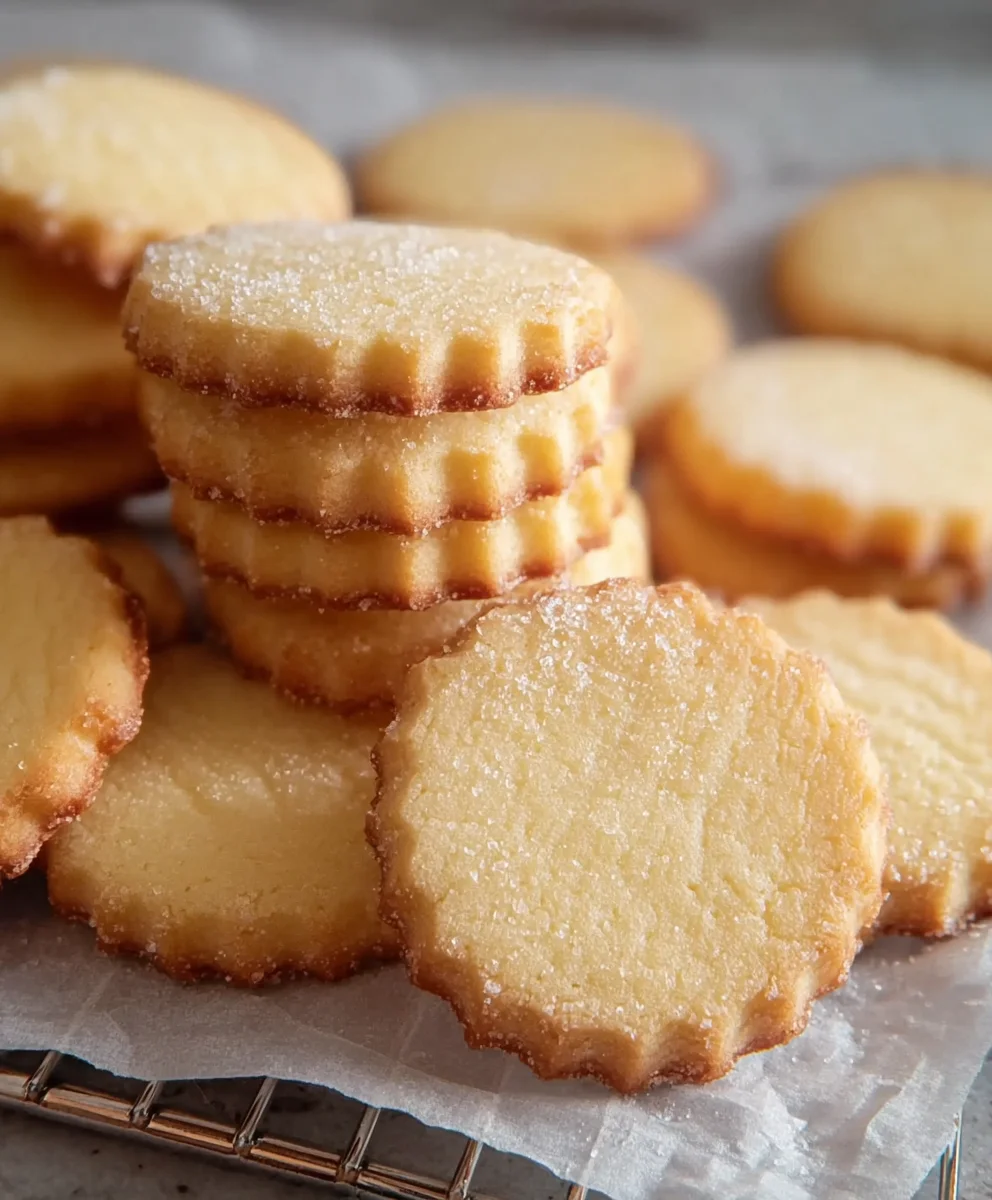
Once baked to perfection, remove the baking sheets from the oven. Let the French Butter Cookies cool on the baking sheets for 5 minutes. This allows them to set up properly before you attempt to move them. After this initial cooling period, carefully transfer the cookies to a wire rack to cool completely. As they cool, their texture will become wonderfully crisp on the outside and delightfully tender on the inside, a hallmark of a well-made butter cookie. Once fully cooled, they are ready to be enjoyed. Store any leftover cookies in an airtight container at room temperature for up to 3 days.
Conclusion:
There you have it – a simple yet elegant guide to creating the most delightful French Butter Cookies. We’ve explored the straightforward process of achieving that perfect crisp exterior and wonderfully tender, buttery interior. These cookies are more than just a treat; they’re a little piece of French patisserie you can whip up in your own kitchen. Their delicate flavor and melt-in-your-mouth texture make them incredibly versatile. Enjoy them with your morning coffee, as a sophisticated dessert alongside a fruit tart, or as a sweet accompaniment to afternoon tea. Don’t be afraid to experiment! Consider adding a touch of lemon zest to the dough for a bright citrus note, or dipping half of each cooled cookie in melted dark chocolate for an extra layer of indulgence. We encourage you to bake a batch of these French Butter Cookies and share them with loved ones – their charm is truly irresistible!
Frequently Asked Questions:
Can I freeze French Butter Cookies?
Yes, absolutely! Once completely cooled, you can store French Butter Cookies in an airtight container in the freezer for up to 2-3 months. It’s best to place parchment paper between layers to prevent them from sticking. Thaw them at room temperature before serving.
What makes French Butter Cookies so tender?
The key to their tenderness lies in the high quality of butter used and the simple ingredient list. The precise ratio of butter to flour allows for a delicate crum extractb that is both crisp on the edges and soft in the center, giving them that signature melt-in-your-mouth sensation.
Easy French Butter Cookies-Rich Flavor Recipe
Delicate French Butter Cookies with a rich flavor, featuring a simple yet precise dough and a classic melt-in-your-mouth texture.
Ingredients
-
½ cup butter, softened to room temperature
-
½ cup powdered sugar, sifted
-
1 large egg yolk, at room temperature
-
½ teaspoon pure vanilla extract
-
1 cup plus 2 tablespoons all-purpose flour
-
¼ cup granulated sugar, for coating
Instructions
-
Step 1
Cream together the softened butter and sifted powdered sugar in a medium bowl with an electric mixer on medium speed until the mixture is pale yellow and fluffy, about 2-3 minutes. -
Step 2
Add the egg yolk and vanilla extract. Beat until just combined, avoiding overmixing. -
Step 3
Gradually add the all-purpose flour, mixing on low speed until just combined. Gently bring the dough together with your hands until it forms a pliable, cohesive mass. -
Step 4
Wrap the dough tightly in plastic wrap, forming it into a disc or log. Refrigerate for at least 30 minutes, or until firm enough to handle easily. -
Step 5
Preheat your oven to 350°F (175°C). Line baking sheets with parchment paper. Shape the chilled dough into desired shapes (rolled out and cut, or formed into balls). Gently roll balls in granulated sugar, or dip cut shapes into sugar. Place cookies on prepared baking sheets. -
Step 6
Bake for 10-14 minutes, or until the edges are lightly golden brown and the centers are set. Cool on baking sheets for 5 minutes before transferring to a wire rack to cool completely.
Important Information
Nutrition Facts (Per Serving)
It is important to consider this information as approximate and not to use it as definitive health advice.
Allergy Information
Please check ingredients for potential allergens and consult a health professional if in doubt.