
Easy Miso Soup Recipe- Quick & Flavorful
Miso soup recipe is more than just a side dish; it’s a warm hug in a bowl, a cornerstone of Japanese cuisine, and a testament to the power of simple, yet profound flavors. I’ve always been captivated by the way this seemingly humble broth can transport me to a state of pure comfort and contentment. It’s the perfect starter to any meal, offering a delicate balance of salty, savory, and umami that awakens the palate without overpowering it. What makes this miso soup recipe so special is its incredible versatility and the depth of flavor derived from just a few key ingredients. The fermented soybean paste, miso, is the star, lending its unique character and a host of health benefits. Whether you’re seeking a quick and nourishing breakfast, a light lunch, or a comforting accompaniment to your dinner, this miso soup recipe is an absolute game-changer.
Why We Adore Miso Soup
There’s a reason why miso soup is a beloved staple. Its delicate umami notes are incredibly satisfying, and it’s wonderfully light, making it the ideal prelude to a more substantial meal. For many, it evokes memories of family gatherings or peaceful moments of reflection.
What Makes It So Remarkable
The magic lies in the fermentation process of the miso itself, creating a complex flavor profile that’s both earthy and subtly sweet. It’s incredibly adaptable, allowing for endless variations with different vegetables, tofu, and even small pieces of seafood.
Miso Soup Recipe
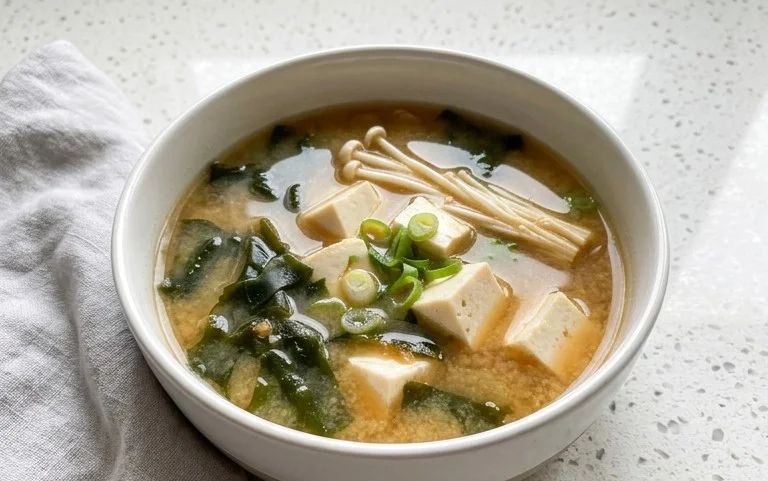
There’s something incredibly comforting and soul-soothing about a steaming bowl of miso soup. It’s a staple in Japanese cuisine, and for good reason. It’s incredibly simple to make, packed with umami-rich flavor, and surprisingly healthy. Whether you’re looking for a light starter to your meal or a comforting accompaniment, this recipe will guide you through creating a delicious, authentic miso soup in your own kitchen. Forget the instant packets; this homemade version is leagues above, and you’ll be amazed at how easy it is to achieve that classic taste.
This recipe focuses on the fundamental elements of a great miso soup, allowing you to appreciate the subtle nuances of the dashi and miso paste. We’ll use silken tofu for a delicate texture and dried seaweed that rehydrates beautifully, adding a depth of flavor and a touch of the sea. The scallions provide a fresh, pungent finish that cuts through the richness.
Ingredients:
Now, let’s get to the heart of the matter – how to transform these simple ingredients into a bowl of pure deliciousness.
Preparing Your Miso Soup
The beauty of miso soup lies in its simplicity and speed. Most of the work is in the preparation, and the actual cooking process is remarkably short. We’ll break it down into easy steps to ensure success.
Step 1: Rehydrating the Seaweed
The first thing we need to do is prepare our dried seaweed. In a small bowl, place the heaping tablespoon of dried seaweed. Add just enough cool water to cover it completely. Let it sit for about 5-10 minutes. You’ll be amazed at how much it expands! Once rehydrated, the seaweed will become tender and plump. Drain any excess water thoroughly. If you’re using a larger variety of seaweed, you might want to give it a quick chop to make it easier to eat in smaller soup portions. This step is crucial because under-hydrated seaweed can be unpleasantly chewy.
Step 2: Heating the Dashi
In a medium saucepan, pour in your 2½ cups of dashi. Place the saucepan over medium heat. We want to bring the dashi to a gentle simmer, not a rolling boil. A boil can sometimes diminish the delicate flavor of the dashi and the miso. Watch for small bubbles forming around the edges of the pan. This indicates it’s warm enough to proceed with the next steps without overcooking anything.
Step 3: Adding the Tofu and Seaweed
Once the dashi is gently simmering, it’s time to add the silken tofu and the rehydrated seaweed. Carefully slide the pieces of silken tofu into the warm dashi. Try to keep the pieces as intact as possible, although they are delicate. Then, add the drained, rehydrated seaweed to the pot. Stir very gently to distribute these ingredients throughout the soup. Let them heat through for about 2-3 minutes. The tofu should become warmed, and the seaweed will fully integrate into the broth.
Step 4: Dissolving the Miso Paste
This is arguably the most important step in achieving a perfect miso soup. Never boil your miso paste, as it can destroy its beneficial enzymes and delicate flavor. Instead, remove the saucepan from the heat once the tofu and seaweed are heated through. In a separate small bowl or a ladle, place your 2 to 2½ tablespoons of miso paste. Gradually add a few tablespoons of the warm dashi broth from the pot to the miso paste. Whisk or stir vigorously until the miso paste is completely dissolved and smooth, creating a liquid paste. This process ensures that the miso is evenly distributed throughout the soup without clumping. The amount of miso is really a matter of personal preference, so start with 2 tablespoons and add more if you desire a stronger flavor.
Step 5: Combining and Finishing
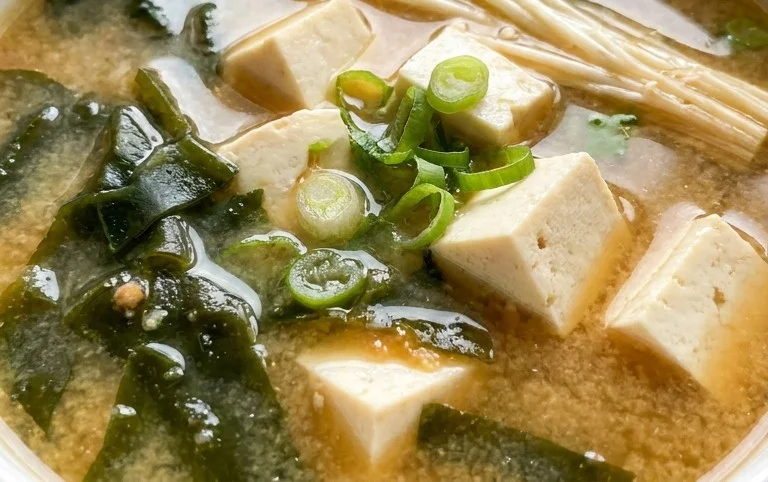
Now, pour the dissolved miso mixture back into the saucepan with the dashi, tofu, and seaweed. Stir gently to combine everything. You want the soup to be heated through, but again, avoid boiling it. You can place the pot back on the very lowest heat setting for a minute or two to ensure everything is warm, but be vigilant. Finally, ladle the miso soup into your serving bowls. Garnish generously with the chopped scallions. The fresh green of the scallions adds a vibrant contrast to the earthy brown of the soup and provides a final burst of freshness.
Enjoy your delicious, homemade miso soup immediately. It’s a simple pleasure that brings a taste of Japan right to your table. You can also experiment with other additions in the future, like thinly sliced mushrooms or small pieces of cooked chicken, but for this classic recipe, simplicity is key.
Conclusion:
There you have it – a simple yet incredibly rewarding Miso Soup Recipe that’s perfect for any occasion. This recipe shines because it’s incredibly adaptable, comforting, and packed with delicious umami flavor. It’s the perfect starter to a Japanese meal, a light lunch on its own, or a nourishing side dish that can elevate even the simplest of dinners. Don’t be afraid to experiment with what you have in your pantry!
For serving suggestions, a steaming bowl of this miso soup is best enjoyed immediately. Garnish with fresh scallions, a sprinkle of sesame seeds, or a few drops of chili oil for a touch of heat. You can also add in cooked noodles like udon or soba for a more substantial meal. Variations are where this recipe truly shines. Feel free to add silken tofu, mushrooms (shiitake or enoki are wonderful), wakame seaweed, or even small pieces of cooked chicken or shrimp. The fundamental broth remains the same, but you can create entirely new flavor profiles with these additions. I truly encourage you to give this Miso Soup Recipe a try; I’m confident you’ll love its simplicity and depth of flavor!
Frequently Asked Questions:
What kind of miso paste should I use?
The most common types for this recipe are white miso (shiro miso) and red miso (aka miso), or a blend. White miso is milder and slightly sweeter, while red miso is more robust and salty. For a balanced flavor, a mix is often ideal, but feel free to use your preference!
Can I make this recipe vegetarian or vegan?
Absolutely! To make it vegetarian/vegan, ensure your dashi is made with kombu (kelp) and shiitake mushrooms instead of bonito flakes. All other ingredients in the basic recipe are already vegetarian/vegan friendly.
Miso Soup Recipe
A simple and comforting miso soup recipe, perfect for a quick and flavorful meal.
Ingredients
-
2½ cups Dashi
-
1 heaping tablespoon dried seaweed
-
4 oz silken tofu, cut into small pieces
-
2-2½ tablespoons miso paste (or to taste)
-
1 tablespoon scallion, chopped
-
1 teaspoon grated ginger
Instructions
-
Step 1
In a medium saucepan, combine Dashi and dried seaweed. Bring to a simmer over medium heat. -
Step 2
Reduce heat to low and let simmer for 5 minutes to allow the seaweed to rehydrate. -
Step 3
Add the silken tofu to the saucepan. Simmer gently for another 2 minutes. -
Step 4
In a small bowl, whisk the miso paste with a ladleful of the hot dashi broth until smooth. This prevents clumps. -
Step 5
Stir the dissolved miso paste back into the saucepan. Do not boil after adding miso, as it can diminish its flavor and beneficial properties. -
Step 6
Stir in the grated ginger and chopped scallions just before serving.
Important Information
Nutrition Facts (Per Serving)
It is important to consider this information as approximate and not to use it as definitive health advice.
Allergy Information
Please check ingredients for potential allergens and consult a health professional if in doubt.