Sicilian Chicken Soup- Hearty & Flavorful Recipe
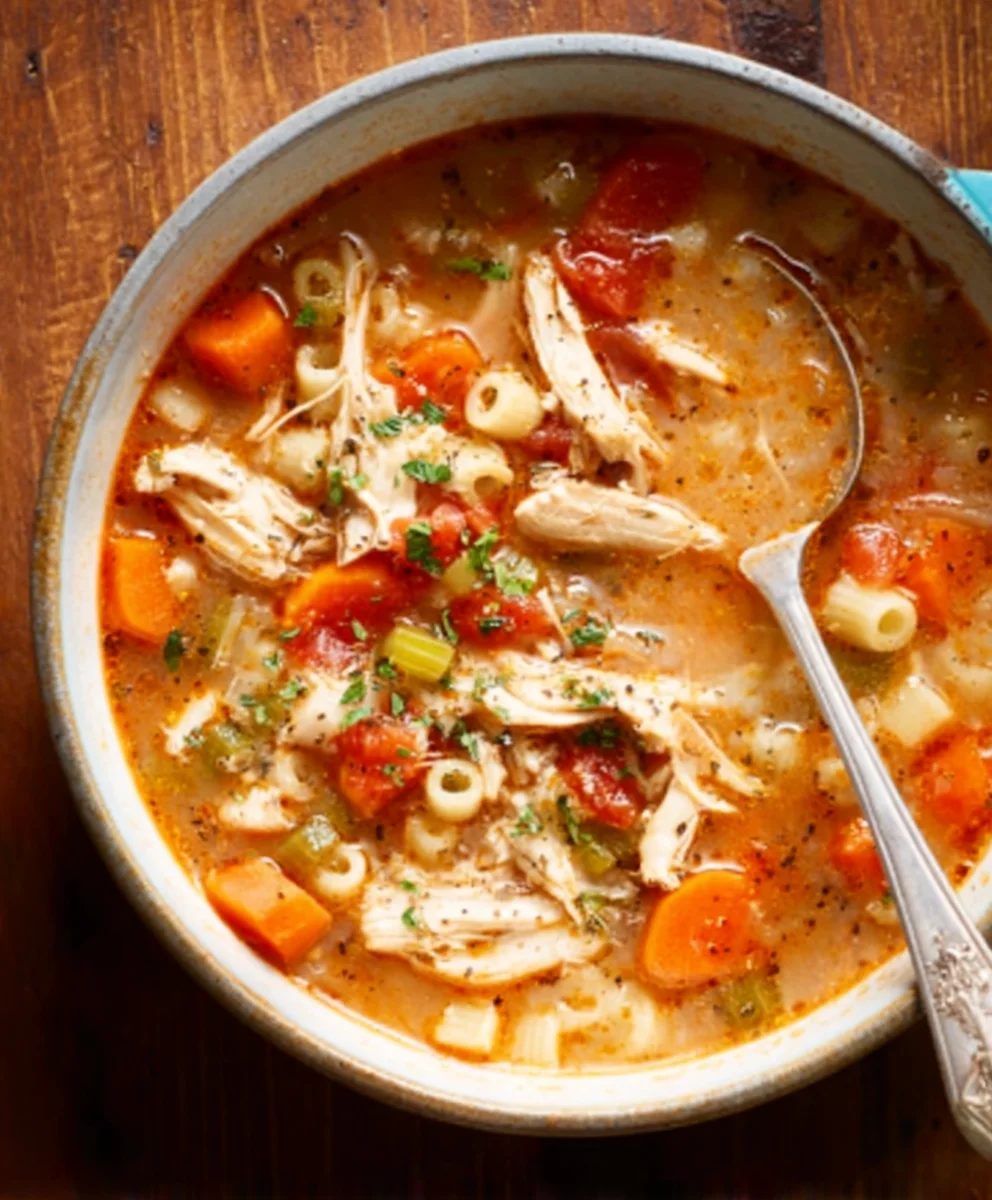
Sicilian Chicken Soup is more than just a comforting meal; it’s a culinary hug, a vibrant tapestry of Mediterranean flavors that warms you from the inside out. If you’ve ever craved a soup that sings with the zesty brightness of lemons, the aromatic depth of herbs, and the satisfying heartiness of tender chicken, then this is the recipe for you. We adore Sicilian Chicken Soup because it effortlessly blends simple, wholesome ingredients into something truly extraordinary. It’s the kind of dish that feels both rustic and refined, perfect for a chilly evening or a restorative lunch. What truly makes this Sicilian Chicken Soup special is its unique citrusy twist, a hallmark of Sicilian cuisine, which elevates it far beyond your average chicken noodle. Get ready to embark on a flavor journey that will have you returning to this recipe again and again.
Ingredients:
- 4 bone-in, skin-on chicken thighs (approximately 2 pounds)
- 1 medium yellow onion, chopped (about 1 cup)
- 3 celery ribs, chopped (about 2 cups)
- 3 medium carrots, chopped (about 1 1/2 cups)
- 1 large yellow bell pepper, chopped
- 2 medium russet potatoes (about 1 pound), peeled and cut into 3/4-inch cubes
- 4 cloves garlic, chopped
- 1 (14.5 ounce) can no-salt-added diced tomatoes, undrained
- 2 dry bay leaves
- 1 tablespoon kosher salt
- 1 (32 ounce) carton low-sodium chicken stock
- 4 cups water (or additional chicken stock for a richer flavor)
- 1/2 cup dry ditalini pasta
- 1/2 cup fresh chopped Italian parsley
- Freshly ground black pepper, to taste
Preparing the Foundation
The first step in crafting a truly comforting Sicilian Chicken Soup is building a robust flavor base. We begin extract by searing the chicken thighs. Pat the chicken thighs thoroughly dry with paper towels. This is a crucial step that ensures a beautiful, golden-brown crust, which in turn adds immense depth of flavor to our broth. Heat a large, heavy-bottomed pot or Dutch oven over medium-high heat. Add a tablespoon of olive oil (though not listed in the exact ingredients, a touch of oil is essential for searing and can be omitted if strictly adhering to the provided list by using the rendered chicken fat). Place the chicken thighs, skin-side down, into the hot pot. Cook for about 6-8 minutes per side, until deeply browned and the skin is rendered. This process renders out some of the fat and creates those delicious browned bits on the bottom of the pot, known as fond, which are packed with flavor. Once browned, remove the chicken from the pot and set aside on a plate. Don’t worry about cooking it through at this stage; we’ll finish it in the soup.
Building the Aromatic Base
Now that our chicken has a head start, it’s time to infuse our soup with vibrant aromatics. Reduce the heat to medium and add the chopped onion, celery, and carrots to the same pot. If you used oil for searing, there should be enough rendered chicken fat to sauté these vegetables. Cook, stirring occasionally, for about 8-10 minutes, until the vegetables have softened and the onion is translucent. This slow sautéing process, also known as sweating the vegetables, draws out their natural sweetness and creates a wonderfully fragrant foundation for the soup. Next, add the chopped yellow bell pepper and cook for another 3-4 minutes untgin extractit begins to soften. Finally, stir in the chopped garlic and cook for just about 1 minute more, until fragrant. Be careful not to burn the garlic, as it can turn bitter.
Simmering to Perfection
With our aromatics beautifully softened, it’s time to bring everything together and let the magic happen. Pour in the carton of low-sodium chicken stock and the 4 cups of water. Scrape the bottom of the pot with a wooden spoon to loosen any browned bits left from searing the chicken. These bits are pure gold for flavor! Add the undrained can of diced tomatoes, the 2 dry bay leaves, and the 1 tablespoon of kosher salt. Stir everything to combine. Return the seared chicken thighs to the pot, nestling them down into the liquid. Bring the soup to a gentle simmer over medium-high heat, then reduce the heat to low, cover the pot, and let it simmer for about 30 minutes. This simmering time allows the chicken to cook through and its flavors to meld with the vegetables and broth.
Adding the Hearty Elements
After the initial simmering period, our chicken should be almost cooked through and incredibly tender. Now it’s time to add the potatoes, which will absorb all those wonderful flavors as they cook. Carefully add the cubed russet potatoes to the pot. Stir gently to distribute them evenly. Continue to simmer, covered, for another 15-20 minutes, or until the potatoes are fork-tender. You can easily check their doneness by piercing a cube with the tip of a knife or a fork; it should slide in with minimal resistance. Once the potatoes are tender, it’s time to add the pasta. Stir in the dry ditalini pasta. Increase the heat slightly to maintain a gentle simmer. Cook the pasta according to the package directions, usually about 8-10 minutes, until al dente. Be sure to stir occasionally to prevent the pasta from sticking to the bottom of the pot.
Finishing Touches and Serving
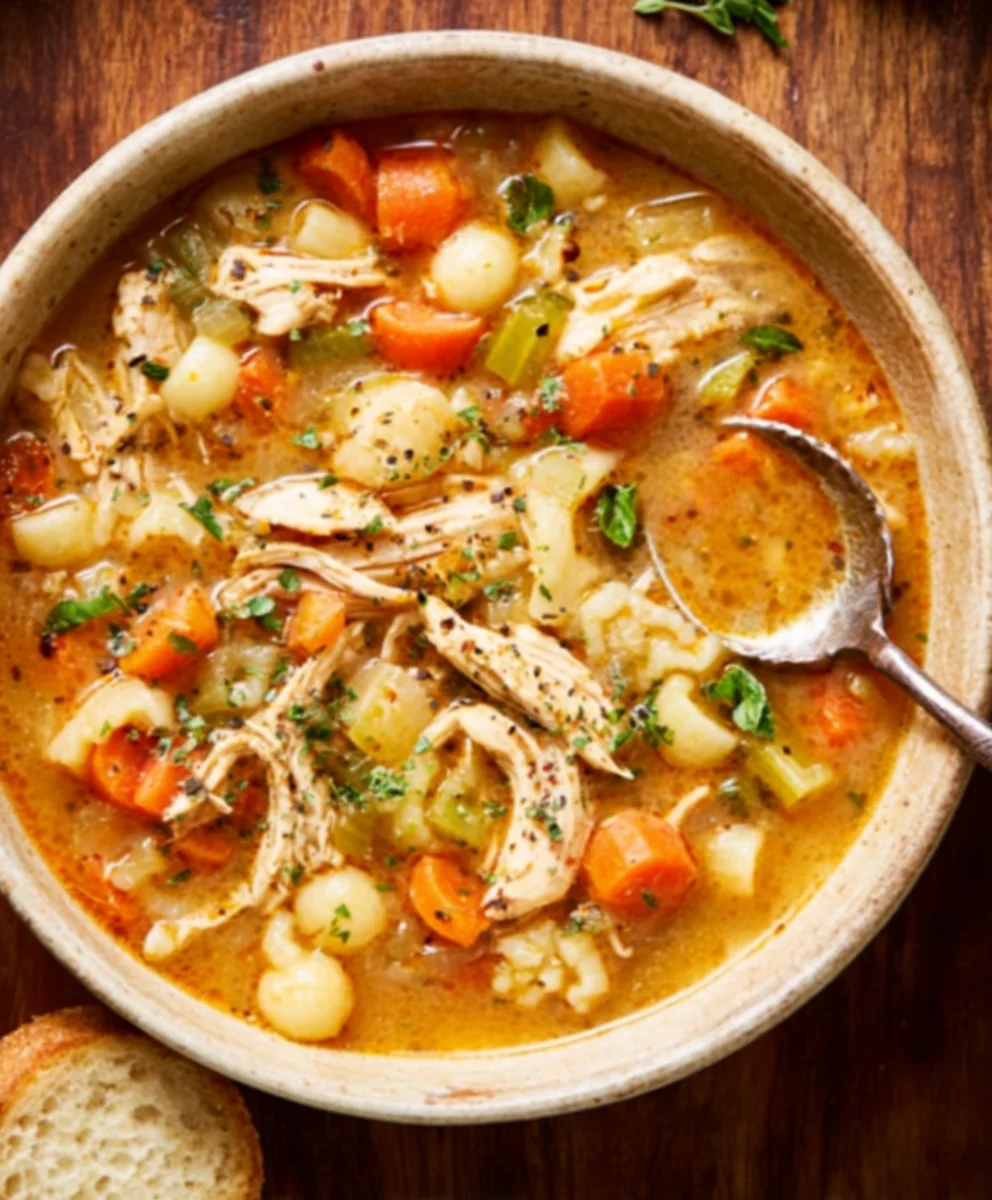
As the pasta cooks, the soup will thicken slightly. Once the ditalini is cooked to your liking, remove the bay leaves from the soup. Taste the broth and adjust the seasoning with freshly ground black pepper and additional kosher salt if needed. Remember that the chicken thighs will have released some salt, so it’s important to taste before adding more. Finally, stir in the fresh chopped Italian parsley. The bright, fresh flavor of parsley adds a beautiful lift to the soup and a lovely pop of color. For serving, you can shred the chicken meat off the bone if you prefer, or serve the thighs whole. Ladle the hot Sicilian Chicken Soup into bowls, ensuring each serving gets plenty of chicken, vegetables, potatoes, and pasta. This soup is a complete meal in a bowl, warming and satisfying.
Conclusion:
And there you have it – your guide to creating a truly delightful bowl of Sicilian Chicken Soup! We’ve explored how the simple yet vibrant ingredients come together to create a comforting and flavorful dish that’s perfect for any occasion. Whether you’re feeling under the weather or simply craving a taste of the Mediterranean, this soup is sure to become a go-to favorite. Don’t be afraid to experiment with its versatility; serve it as a hearty main course with crusty bread for dipping, or as a lighter starter to a larger meal. We highly encourage you to try out the variations we suggested, perhaps adding a pinch of chili flakes for a little heat or a handful of spinach for extra greens. The beauty of Sicilian Chicken Soup lies in its adaptability. We hope you enjoy making and savoring this wonderful recipe!
Frequently Asked Questions:
Q1: Can I make Sicilian Chicken Soup ahead of time?
Absolutely! Sicilian Chicken Soup actually tastes even better the next day as the flavors have more time to meld. Store it in an airtight container in the refrigerator for up to 3-4 days. Reheat gently on the stovetop or in the microwave.
Q2: What can I use instead of chicken thighs?
You can easily substitute chicken thighs with boneless, skinless chicken breasts. Just ensure they are cooked through and then shred or dice them as per the recipe instructions. You could also use leftover cooked chicken for an even quicker preparation.
Q3: How can I make this soup vegetarian or vegan?
To make a vegetarian version, replace the chicken with cannellini beans or chickpeas and use vegetable broth instead of chicken broth. For a vegan option, follow the vegetarian substitutions and ensure your broth is vegetable-based. You might also consider adding more vegetables like zucchini or bell peppers for added heartiness.
Sicilian Chicken Soup
A hearty and flavorful Sicilian Chicken Soup packed with tender chicken, vegetables, potatoes, and pasta. A comforting and satisfying meal.
Ingredients
-
4 bone-in, skin-on chicken thighs (approximately 2 pounds)
-
1 medium yellow onion, chopped (about 1 cup)
-
3 celery ribs, chopped (about 2 cups)
-
3 medium carrots, chopped (about 1 1/2 cups)
-
1 large yellow bell pepper, chopped
-
2 medium russet potatoes (about 1 pound), peeled and cut into 3/4-inch cubes
-
4 cloves garlic, chopped
-
1 (14.5 ounce) can no-salt-added diced tomatoes, undrained
-
2 dry bay leaves
-
1 tablespoon kosher salt
-
1 (32 ounce) carton low-sodium chicken stock
-
4 cups water
-
1/2 cup dry ditalini pasta
-
1/2 cup fresh chopped Italian parsley
-
Freshly ground black pepper, to taste
Instructions
-
Step 1
Pat chicken thighs dry and sear in a hot pot over medium-high heat with a tablespoon of olive oil (or rendered chicken fat) for 6-8 minutes per side until deeply browned. Remove and set aside. -
Step 2
Reduce heat to medium. Add chopped onion, celery, and carrots to the pot and sauté for 8-10 minutes until softened and translucent. Add yellow bell pepper and cook for another 3-4 minutes. Stir in chopped garlic and cook for 1 minute until fragrant. -
Step 3
Pour in chicken stock and water. Scrape the bottom of the pot to loosen browned bits. Add diced tomatoes, bay leaves, and kosher salt. Return seared chicken thighs to the pot. Bring to a simmer, then reduce heat to low, cover, and simmer for 30 minutes. -
Step 4
Add cubed potatoes to the pot. Stir gently, cover, and continue to simmer for 15-20 minutes, or until potatoes are fork-tender. -
Step 5
Stir in ditalini pasta and cook according to package directions (about 8-10 minutes), until al dente. Stir occasionally to prevent sticking. -
Step 6
Remove bay leaves. Taste and adjust seasoning with salt and pepper. Stir in fresh chopped Italian parsley. Serve hot, with chicken thighs whole or shredded.
Important Information
Nutrition Facts (Per Serving)
It is important to consider this information as approximate and not to use it as definitive health advice.
Allergy Information
Please check ingredients for potential allergens and consult a health professional if in doubt.