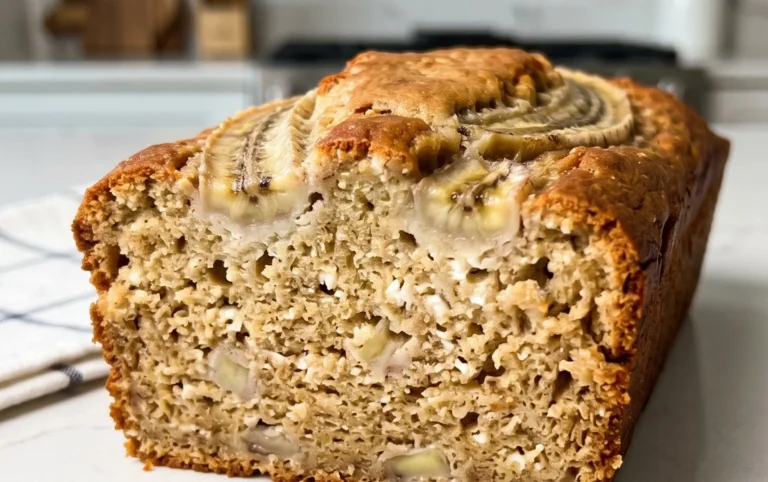
Brioche Raspberry Lemon Rolls-Zesty Sweet Treat
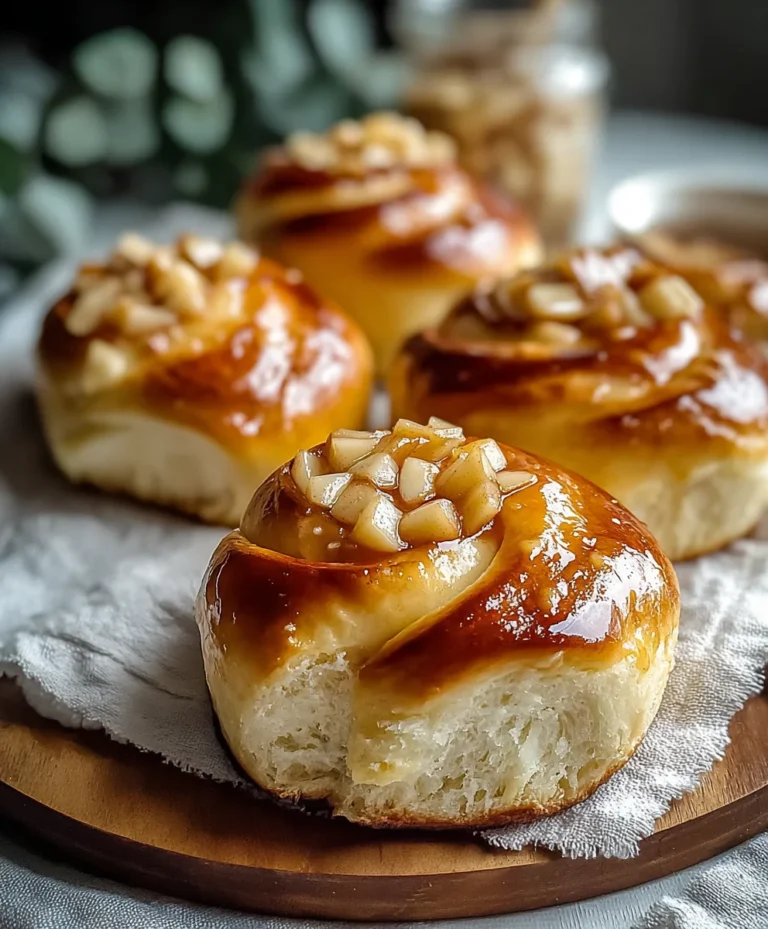
Brioche Raspberry Lemon Rolls are more than just a breakfast treat; they are a little slice of sunshine on a plate. Imagin extracte the softest, most tender dough, imbued with the subtle richness of brioche, giving way to pockets of bright, tangy raspberry jam and the zesty perfume of fresh lemon. It’s this delightful interplay of textures and flavors that makes these rolls utterly irresistible. On a lazy weekend morning, or as a special afternoon pick-me-up, the aroma alone is enough to draw everyone to the kitchen. We love them because they offer a sophisticated twist on a comforting classic, elevating the humble sweet roll into something truly memorable. What truly sets these Brioche Raspberry Lemon Rolls apart is the perfect balance: the sweet, yielding brioche dough is the ideal canvas for the burst of tart raspberry and the cheerful zing of lemon, creating an experience that is both decadent and wonderfully refreshing.

Ingredients:
- 24g (3 tablespoons) all-purpose flour
- 100g (3.5 oz) whole milk, lukewarm (around 105-115°F or 40-46°C)
- 1 1/2 teaspoons active dry yeast
- 1 tablespoon granulated sugar
- 240g (2 cups) all-purpose flour
- 1 1/4 teaspoons salt
- 1 large egg, room temperature
- 56g (4 tablespoons) unsalted butter, softened to room temperature
- 56g (4 tablespoons) unsalted butter, chilled and cubed (for filling)
- 2 large eggs (for filling)
- 1/8 teaspoon salt (for filling)
- 65g (1/3 cup) granulated sugar (for filling)
- Zest of 1 medium lemon
- 40g (3 tablespoons) fresh lemon juice
- About 1 cup fresh raspberries, gently rinsed and patted dry (for filling, optional but highly recommended)
- Powdered sugar, for dusting (optional glaze)
- 1-2 tablespoons milk or lemon juice, for glaze (optional glaze)
Making the Brioche Dough
Activating the Yeast and Creating the Sponge
To start our Brioche Raspberry Lemon Rolls, we need to activate the yeast. In a small bowl, combine the lukewarm whole milk (100g), active dry yeast, and 1 tablespoon of granulated sugar. Give it a gentle stir. You want the milk to be warm enough to wake up the yeast, but not so hot that it kills it. Think of a comfortably warm bath. Let this mixture sit for about 5-10 minutes. You should see it become foamy and bubbly on the surface. This indicates that your yeast is active and ready to work its magic. If it doesn’t foam, your yeast might be expired, or the milk was too hot or too cold, and you’ll need to start this step again with fresh yeast.
Once the yeast is foamy, add the first portion of all-purpose flour (24g) to the yeast mixture. Stir until you have a smooth, thick batter, almost like a pancake batter. This is called a sponge, and it helps to develop the gluten structure and flavor in our brioche dough. Cover this bowl with a clean kitchen towel or plastic wrap and let it rest in a warm place for about 30 minutes. It should puff up slightly and become even more bubbly.
Developing the Enriched Dough
After the sponge has rested, it’s time to build the main brioche dough. In a large mixing bowl (or the bowl of your stand mixer fitted with the dough hook), combine the remaining 240g of all-purpose flour and 1 1/4 teaspoons of salt. Whisk them together to ensure the salt is evenly distributed. Pour the rested sponge mixture into the bowl with the flour. Add the room-temperature egg (1 large egg) and the softened unsalted butter (56g).
Begin extract mixing the ingredients. If you’re using a stand mixer, start on low speed until everything is just combined. Then, increase the speed to medium-low and knead for about 8-10 minutes. The dough will seem shaggy and sticky at first, but as you continue to knead, it will start to smooth out and become more elastic. You’re looking for a dough that is soft, pliable, and pulls away from the sides of the bowl. If you’re kneading by hand, turn the dough out onto a lightly floured surface and knead for about 10-15 minutes. It’s a good workout! The key to a great brioche is the high fat content, which is why it’s so much richer and softer than regular bread dough.
First Rise: Building Flavor and Texture
Once the dough has achieved a smooth, elastic texture, shape it into a ball. Lightly grease a clean bowl with a little oil or non-stick spray. Place the dough ball into the greased bowl, turning it once to coat the entire surface. Cover the bowl tightly with plastic wrap. Place the bowl in a warm, draft-free spot to rise. This first rise can take anywhere from 1 to 2 hours, or even longer, depending on the temperature of your kitchen. The dough should roughly double in size. Patience is key here; a good, slow rise develops the best flavor and texture.
Preparing the Raspberry Lemon Filling
Creating the Lemon Curd Base
While the dough is rising, let’s prepare our vibrant filling. In a medium saucepan, whisk together the 2 large eggs, 1/8 teaspoon salt, and 65g granulated sugar. Whisk until the mixture is smooth and the sugar has mostly dissolved. Add the softened unsalted butter (56g, cubed) to the saucepan. Place the saucepan over medium-low heat.
Continuously stir the mixture with a whisk or a heatproof spatula, ensuring you scrape the bottom and sides of the pan to prevent scorching. The butter will melt, and the mixturegin extractll begin to thicken. This process will take about 5-8 minutes. You’re aiming for a consistency that coats the back of a spoon. Once it thickens, remove the saucepan from the heat.
Infusing with Lemon and Adding Raspberries
To this thickened mixture, stir in the zest of 1 medium lemon and 40g of fresh lemon juice. The lemon zest provides a beautiful aromatic quality, while the juice adds that signature tartness. Stir well to combine everything. The residual heat from the pan will help the lemon juice incorporate smoothly. Allow this lemon curd base to cool completely. You can speed this up by placing it in a bowl set over an ice bath, stirring occasionally.
Once the lemon curd base is cool, gently fold in the fresh raspberries. Try not to mash them too much; we want them to hold their shape somewhat. If you’re not using raspberries, you can skip this step, but they add a delightful burst of flavor and color that pairs wonderfully with the lemon and brioche. Set the filling aside.
Assembling and Baking the Brioche Rolls
Shaping the Brioche and Filling
Once the brioche dough has doubled in size, gently punch it down to release the air. Turn the dough out onto a lightly floured surface. Gently roll or pat the dough into a large rectangle, about 10×14 inches (25×35 cm). Don’t worry if it’s not perfectly even; the charm of homemade rolls is their rustic appeal.
Evenly spread the cooled raspberry lemon filling over the surface of the dough rectangle, leaving a small border of about 1/2 inch (1 cm) along one of the long edges. This border will help seal the roll. If you are using raspberries, distribute them carefully over the lemon filling.
Starting from the long edge that is completely covered with filling, tightly roll up the dough. Once rolled, pinch the seam to seal it. If needed, you can trim off any uneven ends. Then, using a sharp knife or dental floss (which makes cleaner cuts), slice the roll into 12 equal pieces, about 1 inch (2.5 cm) thick each.
Second Rise and Baking to Golden Perfection
Lightly grease a 9×13 inch baking dish or two round cake pans with butter or non-stick spray. Arrange the sliced brioche rolls cut-side up in the prepared baking dish, leaving a little space between them. They will expand and touch as they rise and bake. Cover the dish loosely with plastic wrap or a clean kitchen towel. Let the rolls rise again in a warm place for another 30-45 minutes, or until they look puffy and have increased in size, almost touching each other.
Preheat your oven to 375°F (190°C). Once the oven is preheated and the rolls have completed their second rise, place the baking dish in the oven. Bake for 20-25 minutes, or until the tops are beautifully golden brown and the centers are cooked through. You can check for doneness by gently tapping the tops of the rolls; they should sound hollow.
Optional Glaze and Serving
While the rolls are baking, you can prepare an optional glaze. In a small bowl, whisk together about 1/2 cup of powdered sugar with 1-2 tablespoons of milk or lemon juice until you achieve a smooth, pourable consistency. Add more liquid or powdered sugar as needed to reach your desired thickness.
Once the brioche raspberry lemon rolls are out of the oven, let them cool in the baking dish for about 10 minutes before transferring them to a wire rack. Drizzle the optional glaze over the warm rolls. The warmth will help the glaze melt slightly and create a beautiful sheen. Serve these delightful rolls warm. They are perfect for breakfast, brunch, or as a sweet treat any time of day. Enjoy the soft, buttery brioche, the bright tang of lemon, and the sweet bursts of raspberry!

Conclusion:
There you have it – a complete guide to creating the most delightful Brioche Raspberry Lemon Rolls! We’ve walked through the process step-by-step, from crafting that perfectly enriched brioche dough to folding in the vibrant raspberry and zesty lemon filling, and finally, drizzling them with a sweet lemon glaze. These rolls are more than just a pastry; they’re a little piece of sunshine and indulgence. I encourage you to give these Brioche Raspberry Lemon Rolls a try; the aroma filling your kitchen alone will be worth it, and the taste will undoubtedly impress!
For serving, these rolls are heavenly warm, straight from the oven, with that gooey filling and fluffy brioche. They pair wonderfully with a cup of coffee or tea for a luxurious breakfast or a delightful afternoon treat. Feel free to experiment with variations! You could add a touch of almond extract to the glaze, or perhaps sprinkle some toasted slivered almonds over the top before the glaze sets for an added crunch. Don’t be afraid to adjust the amount of lemon zest to your preference.
Frequently Asked Questions:
Can I make the Brioche Raspberry Lemon Rolls ahead of time?
Yes, you can prepare the dough the day before and let it do its first rise in the refrigerator overnight. This can actually enhance the flavor of the brioche. You can also assemble the rolls and refrigerate them for their second rise before baking, or bake them and reheat them gently in a low oven before serving.
My brioche dough seems too sticky, what should I do?
Brioche dough is naturally quite enriched and can be sticky. Resist the urge to add too much extra flour, as this can make the final rolls tough. Instead, ensure your butter is softened but not melted, and incorporate it gradually. Chilling the dough for about 30 minutes can also make it much easier to handle and shape.
Brioche Raspberry Lemon Rolls-Zesty Sweet Treat
Soft, buttery brioche rolls infused with the bright tang of lemon and sweet bursts of raspberry.
Ingredients
-
24g (3 tablespoons) all-purpose flour
-
100g (3.5 oz) whole milk, lukewarm
-
1 1/2 teaspoons active dry yeast
-
1 tablespoon granulated sugar
-
240g (2 cups) all-purpose flour
-
1 1/4 teaspoons salt
-
1 large egg, room temperature
-
56g (4 tablespoons) unsalted butter, softened to room temperature
-
56g (4 tablespoons) unsalted butter, chilled and cubed
-
2 large eggs
-
1/8 teaspoon salt
-
65g (1/3 cup) granulated sugar
-
Zest of 1 medium lemon
-
40g (3 tablespoons) fresh lemon juice
-
About 1 cup fresh raspberries, gently rinsed and patted dry
-
Powdered sugar, for dusting
-
1-2 tablespoons milk or lemon juice, for glaze
Instructions
-
Step 1
Activate the yeast by combining lukewarm milk, active dry yeast, and 1 tablespoon granulated sugar. Let sit for 5-10 minutes until foamy. Stir in 24g all-purpose flour to create a thick batter (sponge). Cover and let rest in a warm place for 30 minutes. -
Step 2
In a large bowl, combine remaining 240g all-purpose flour and 1 1/4 teaspoons salt. Add the rested sponge mixture, 1 large egg, and 56g softened butter. Knead for 8-10 minutes in a stand mixer or 10-15 minutes by hand until smooth and elastic. -
Step 3
Shape the dough into a ball, place in a greased bowl, and turn to coat. Cover tightly and let rise in a warm place for 1-2 hours, or until doubled in size. -
Step 4
While dough rises, prepare filling: Whisk 2 large eggs, 1/8 teaspoon salt, and 65g granulated sugar in a saucepan. Add 56g cubed butter and cook over medium-low heat, stirring constantly, until thickened (coats the back of a spoon). Remove from heat, stir in lemon zest and juice. Cool completely, then gently fold in raspberries. -
Step 5
Punch down risen dough and roll into a 10×14 inch rectangle. Spread filling evenly, leaving a 1/2 inch border. Tightly roll up dough from one long edge. Pinch seam to seal. Slice into 12 equal pieces. -
Step 6
Place rolls cut-side up in a greased 9×13 inch baking dish. Cover loosely and let rise again for 30-45 minutes, until puffy. Preheat oven to 375°F (190°C). -
Step 7
Bake for 20-25 minutes, or until golden brown. For an optional glaze, whisk powdered sugar with milk or lemon juice until smooth. Drizzle over warm rolls. Let cool slightly before serving.
Important Information
Nutrition Facts (Per Serving)
It is important to consider this information as approximate and not to use it as definitive health advice.
Allergy Information
Please check ingredients for potential allergens and consult a health professional if in doubt.